





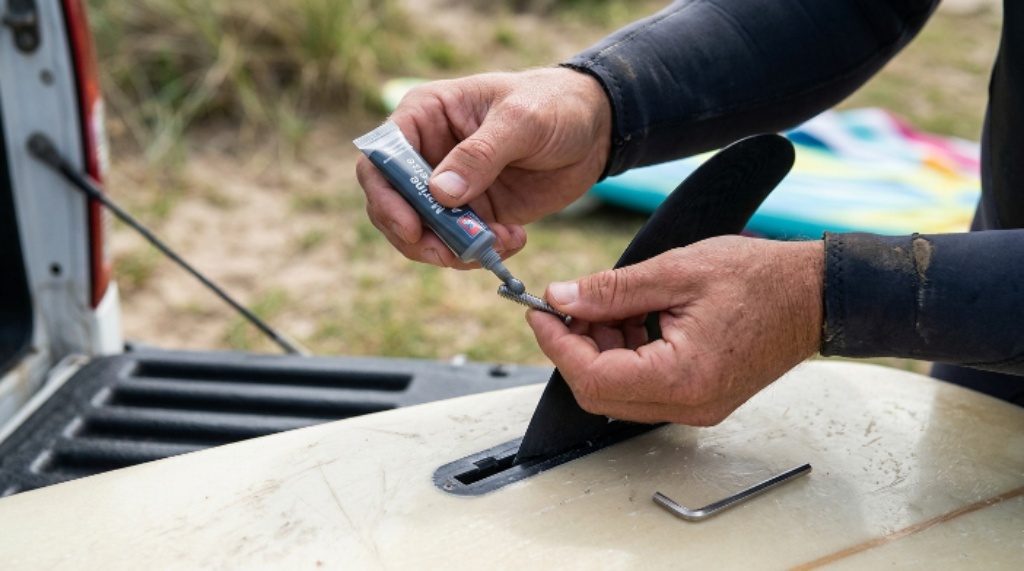
Your surfboard is more than just a piece of equipment. It is your connection to the ocean. Every component plays a role, including the smallest ones. Fin screws may seem minor, but they hold your fins firmly in place. Loose or corroded screws can lead to fins shifting during a ride. That can affect your control and even cause an accident.
The problem is that saltwater is harsh. It attacks metal quickly. Over time, screws corrode, seize, or strip. However, this damage is entirely preventable. With a simple care routine, you can keep your fin screws working perfectly for years. This article will show you exactly how to do that.
Why Fin Screws Corrode So Quickly
Saltwater is one of the most corrosive substances your gear will encounter. It contains chloride ions that break down metal at the molecular level. Every session in the ocean exposes your fin screws to this process.
Additionally, sand and grit collect in the fin box. This creates abrasion around the screws and accelerates wear. When water sits in the fin box overnight, corrosion continues even when you are not surfing.
Most standard fin screws are made from stainless steel or coated steel. While stainless steel resists corrosion better than plain steel, it is not immune. Therefore, even quality screws need regular maintenance to stay in good condition.
What You Will Need for Fin Screw Maintenance
You do not need expensive tools to maintain fin screws properly. Most of what you need is already at home or available at any hardware store. Here is a basic list:
- A fin key or flathead screwdriver that fits your screws
- Fresh water and a soft cloth or towel
- A small brush, such as an old toothbrush
- Marine-grade anti-seize lubricant or beeswax
- White vinegar or a mild rust remover for existing corrosion
- Replacement screws in the appropriate size
Having these items ready makes the whole process fast and efficient. Therefore, consider keeping a small maintenance kit in your surf bag so you can deal with issues right after a session.
Cleaning Surf Hardware After Every Session
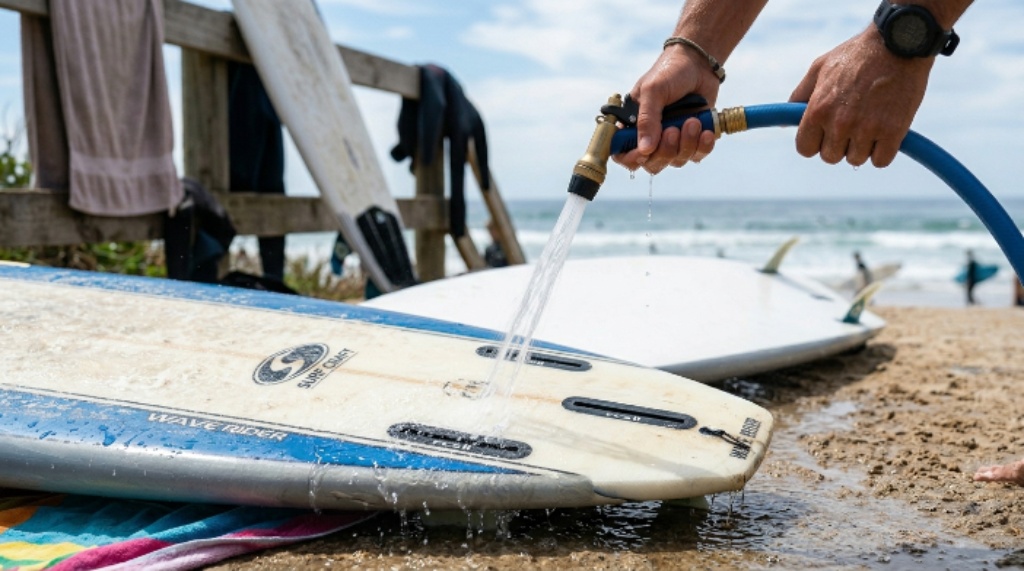
The most important habit you can build is rinsing your board after every surf. This single step removes most of the saltwater before it can cause damage. Rinse your entire board, paying special attention to the fin boxes and screws.
Use fresh water from a hose or bucket. Let the water run over the fin area for at least thirty seconds. Tilt the board so water flows into the fin box and flushes out salt and sand. This is the foundation of cleaning surf hardware properly and it takes less than a minute.
After rinsing, use a soft cloth to dry the fin box and screws. Do not let water sit in the recess. Standing water accelerates corrosion, especially in warm or humid climates. Additionally, drying the screws before storage prevents oxidation from developing overnight.
Once a week, or after every few sessions, do a deeper clean. Remove the fins completely. Use a toothbrush to scrub inside the fin box. Clean the screws individually and inspect them closely. Look for discoloration, pitting, or thread damage. Catching problems early saves you from stripped screws later.
How to Remove Stuck or Corroded Screws
Sometimes, despite your best efforts, a screw seizes up. This happens when corrosion bonds the screw threads to the fin box. Do not force it. Applying too much pressure will strip the screw head and make things much worse.
The Vinegar Soak Method
White vinegar is mildly acidic and breaks down rust and mineral deposits. Apply it directly to the screw and let it sit for ten to fifteen minutes. Then try the screw again with gentle, steady pressure. In most cases, this is enough to free a stuck screw.
For more stubborn cases, repeat the process two or three times. You can also use a small amount of penetrating oil as an alternative. However, avoid petroleum-based products inside the fin box as they can degrade the resin and foam of your board.
The Heat Method
Gentle heat can expand metal slightly and break the corrosion bond. Use a hairdryer on a low setting and apply heat around the fin box for about thirty seconds. Then attempt to turn the screw. Be careful not to overheat the area. Too much heat can damage the fin box or warp the board surface.
Rust Prevention for Long-Lasting Screws
Prevention is always easier than repair. Applying a protective lubricant to your fin screws is one of the best steps you can take for rust prevention. It creates a barrier between the metal and the saltwater, slowing corrosion significantly.
Marine-grade anti-seize compound is one of the best options. It is designed for use in wet, salty environments. Apply a small amount to the threads before inserting the screw. This also makes future removal much easier.
Beeswax is another popular choice among surfers. It is natural, non-toxic, and water-resistant. Simply rub the screw threads against a small block of beeswax before inserting. This method is quick and works very well for regular maintenance.
Additionally, consider upgrading to titanium screws if your current screws corrode frequently. Titanium is far more resistant to saltwater corrosion than stainless steel. The cost is higher, but the investment is worthwhile for serious surfers who are in the water regularly.
Inspecting and Replacing Worn Screws
Screws do not last forever, even with excellent care. Therefore, regular inspection is an important part of gear longevity. Set a routine to check your fin screws at least once a month.
When inspecting, look for these warning signs:
- Visible rust or dark discoloration on the screw surface
- A screw that feels loose even when tightened
- Rounded or stripped screw head that your fin key cannot grip
- Visible thread damage or deformation
- Any cracks or chips in the fin box itself
If you notice any of these issues, replace the screw immediately. Riding with a compromised screw puts your fins at risk of detaching in the water. Replacement screws are inexpensive and widely available. Never compromise your safety to save a few dollars on a screw.
Proper Storage Habits That Protect Your Hardware
How you store your board matters as much as how you clean it. Improper storage speeds up corrosion even when the board is not in use.
Store your board in a cool, dry location. Avoid leaving it in direct sunlight for long periods. UV rays degrade the materials in the fin box over time. Additionally, a hot car or garage can cause the board to expand and contract, which stresses the fin box threads.
When storing for more than a week, remove your fins entirely. This relieves pressure on the fin box and allows air to circulate inside it. Wipe the screws dry and store them in a small zip-lock bag with a bit of anti-seize compound on the threads.
Furthermore, keep your board in a board bag whenever possible. A good bag insulates the board from temperature changes and protects the fin boxes from impact and dust.
Building a Simple Weekly Maintenance Routine
Consistency is what makes maintenance work. A routine does not need to be complicated. Here is a simple weekly plan you can follow:
- After every session: Rinse the board with fresh water. Dry the fin boxes and screw heads with a cloth.
- Once a week: Remove fins and scrub the fin box with a toothbrush. Inspect screw threads and heads. Reapply lubricant before reinserting.
- Once a month: Conduct a full inspection of all screws. Replace any that show wear. Check the fin box for cracks or soft spots.
This routine takes only a few minutes each week. However, the payoff is enormous. You will spend less money on replacements and more time enjoying the waves.
Conclusion
Fin screws are small but essential parts of your surfboard setup. Taking care of them is one of the simplest ways to protect your overall investment. Saltwater, sand, and neglect are the main enemies. Fortunately, all three are easy to manage with a consistent routine.
Rinse your board after every session. Clean the fin boxes regularly. Apply a protective lubricant to the screw threads. Inspect for damage monthly and replace worn screws without hesitation. These habits support true gear longevity and keep your board performing at its best.
Whether you are a weekend surfer or in the water every day, fin screw maintenance is a small time investment with a big return. Start today, and your hardware will thank you for years to come.
Frequently Asked Questions
1. How often should I replace my fin screws?
There is no fixed schedule for replacement. However, you should inspect them monthly. Replace any screw that shows visible rust, stripped threads, or a damaged head. For most regular surfers, screws last one to two years with proper care.
2. Can I use WD-40 on my fin screws?
WD-40 can loosen a stuck screw temporarily. However, it is not ideal for long-term protection. It washes off quickly in water and can damage the foam core of your board if it seeps past the fin box. Marine-grade anti-seize compound or beeswax are much better alternatives.
3. What type of screw material is best for saltwater use?
Titanium screws offer the best corrosion resistance in saltwater environments. They are lightweight and extremely durable. Stainless steel screws are the standard option and work well with regular maintenance. Avoid plain steel screws entirely, as they corrode very quickly in ocean conditions.
4. My fin box feels loose around the screw. What should I do?
A loose fin box is a structural issue that goes beyond screw maintenance. Stop using the board until it is repaired. Take it to a professional shaper or repair shop. Riding with a compromised fin box can cause the fin to detach during a wave, which is dangerous.
5. Is it okay to surf without tightening fin screws fully?
No. Fins must be secured tightly before every session. A loose fin can shift during a turn and cause you to lose control. It can also vibrate and gradually strip the fin box threads over time. Always use your fin key to check tightness before entering the water.
Related Topics:
These are all great reasons for children to play golf
Easy steps to play basketball for the player in the field









+ There are no comments
Add yours