

You show up to the gym ready to work hard. The last thing you want is a shirt that soaks through in the first ten minutes. A sweat-resistant gym t-shirt can change your entire workout experience. It keeps you dry, comfortable, and focused on your performance.
However, not all gym shirts are created equal. The market is full of options that look great on a hanger but fail the moment you start sweating. Therefore, knowing what to look for before you buy is essential. This guide will walk you through every important factor so you can choose a gym t-shirt that truly lasts.
Why Your Gym T-Shirt Choice Actually Matters
Many people underestimate the role their shirt plays during exercise. A poor-quality gym shirt can cause skin irritation, slow down movement, and make you feel uncomfortable fast. On the other hand, a well-made shirt supports your body throughout your session.
Sweat management is the core function of any gym shirt. When you exercise, your body temperature rises. Your skin releases sweat to cool you down. If your shirt traps that moisture, your skin stays wet and warm. This creates an ideal environment for bacteria to grow. Additionally, trapped moisture leads to heavier fabric that clings and restricts your movement.
Therefore, choosing a shirt specifically designed for sweat resistance is not just about comfort. It is also about hygiene, performance, and long-term durability.
Understanding Sweat-Resistant Fabric Technology
The fabric is the foundation of any good gym shirt. Modern athletic wear uses synthetic materials engineered specifically for physical activity. Understanding a few basic fabric terms will help you shop smarter.
Polyester and Its Role in Moisture Management
Polyester is the most common material in gym shirts. It does not absorb water the way cotton does. Instead, it moves moisture away from your skin toward the outer surface of the fabric. From there, the sweat evaporates quickly. This process is called moisture-wicking.
Polyester also dries fast. After washing or heavy sweating, it returns to a dry state much quicker than natural fibers. Additionally, it holds its shape well over time, which helps the shirt last longer.
Nylon: Lightweight and Durable
Nylon is another popular choice for athletic shirts. It is slightly softer than polyester and has excellent durability. Like polyester, it wicks moisture efficiently. Nylon also resists abrasion well, which means it can handle repeated washing without breaking down quickly.
However, nylon tends to cost a little more than polyester. For most gym goers, a polyester-nylon blend offers the best of both worlds at a reasonable price point.
The Role of Odor-Resistant Fabric in Longevity
Sweat itself does not smell. The odor comes from bacteria that feed on sweat. Over time, these bacteria embed themselves in fabric fibers. This is why some shirts start to smell even right after washing.
Odor-resistant fabric addresses this problem directly. Many quality gym shirts now use silver-ion treatments, zinc-based finishes, or natural antimicrobial materials like merino wool. These treatments slow bacterial growth in the fabric. As a result, the shirt stays fresher for longer and requires less frequent washing. This also extends the overall lifespan of the garment.
Why Fit and Construction Are Just as Important as Fabric
Fabric technology is only part of the equation. How a shirt is constructed matters just as much. Poor construction leads to discomfort, early wear, and reduced performance. Therefore, always examine the design details before making a purchase.
The Importance of Anti-Chafing Tops for Active Movement
Chafing is one of the most common complaints among gym goers and runners. It happens when fabric repeatedly rubs against your skin during movement. The underarms, collar, and side seams are the most vulnerable areas.
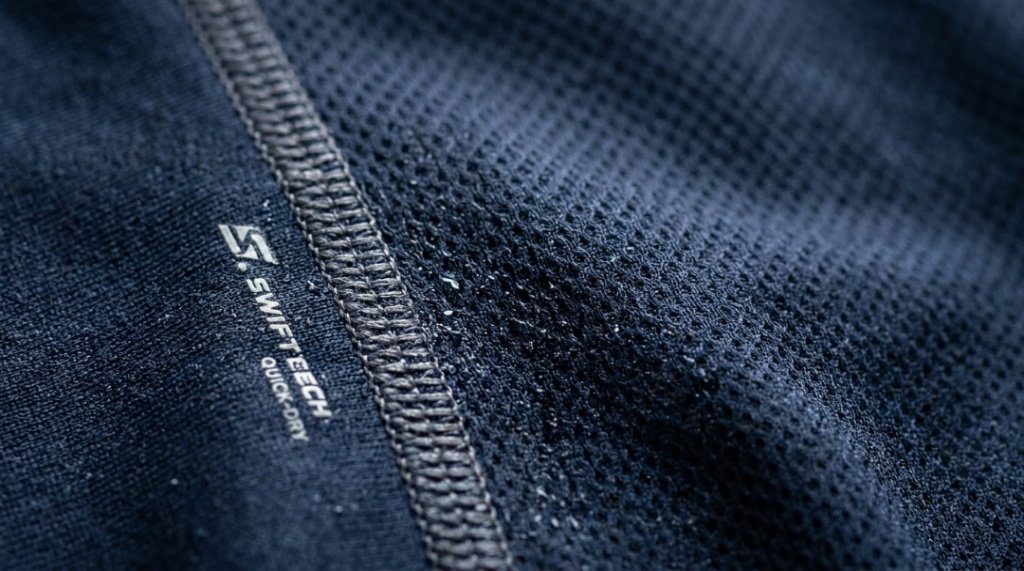
Anti-chafing tops are built with strategic seam placement and smooth interior surfaces. Flat-lock stitching is a key feature to look for. This type of seam lies flat against the skin rather than sitting above the fabric surface. As a result, there is no raised edge to cause irritation. Additionally, some shirts eliminate side seams entirely by using a tubular construction method.
If you do high-intensity training, HIIT workouts, or long cardio sessions, prioritizing anti-chafing construction is especially important. Shirts that fail in this area will limit how long and comfortably you can train.
Fit: Loose, Fitted, or Compression
The right fit depends on your workout type and personal preference. Loose-fit shirts offer more airflow and freedom of movement. They work well for weight training and low-intensity workouts. However, very loose shirts can bunch up during certain exercises.
Fitted shirts sit closer to the body without being restrictive. They are versatile and work for most types of exercise. Compression shirts offer the tightest fit. They support muscle groups and reduce vibration during high-impact activity. However, they require higher-quality stretch fabric to remain comfortable throughout a session.
Stitching and Seam Reinforcement
The seams are the first place a shirt breaks down. Look for double-stitched or reinforced seams at stress points such as the shoulders and underarms. Additionally, check that the collar is well-finished. A fraying collar is a sign of poor construction overall.
High-quality thread also matters. Polyester thread resists moisture better than cotton thread and holds stitches tighter over time. When seams are properly reinforced, the shirt maintains its shape and function through hundreds of washes.
How to Read Labels and Understand What You Are Buying
Product labels and descriptions are full of useful information if you know how to read them. Here are the most important things to look for:
- Moisture-wicking: This means the fabric moves sweat away from your skin. Look for this as a stated feature, not just an assumption based on the material.
- Quick-dry: Separate from moisture-wicking, this refers to how fast the fabric dries after getting wet. Both properties together are ideal.
- Antimicrobial or odor control: Look for specific treatments mentioned by name, such as HeiQ or Polygiene, for verified effectiveness.
- UPF rating: If you train outdoors, a UPF 30 or higher rating protects your skin from sun damage.
- Four-way stretch: This means the fabric stretches in all directions. It provides unrestricted movement for any exercise.
Additionally, pay attention to the fabric weight listed in grams per square meter, or GSM. A lighter fabric in the range of 100 to 150 GSM is ideal for high-intensity exercise. Heavier fabrics feel warmer and are better suited for cooler environments or lighter activity.
How to Make Your Gym Shirts Last Longer
Even the best gym shirt will deteriorate fast if you do not care for it properly. The good news is that maintaining athletic wear is straightforward once you know the basics.
Washing Tips That Protect Fabric Performance
Always wash gym shirts in cold water. Hot water breaks down synthetic fibers and degrades antimicrobial treatments faster. Use a mild, sport-specific detergent. Regular detergents can leave residue in the fabric that traps odor over time.
Turn your shirts inside out before washing. This protects the outer surface and ensures the interior, which contacts your skin directly, gets the most thorough clean. Additionally, avoid using fabric softener. It coats synthetic fibers and reduces their ability to wick moisture effectively.
Drying and Storage
Air drying is the best option for gym shirts. The heat from a dryer weakens elastic fibers and shrinks fabric over time. Hang your shirts in a well-ventilated area and let them dry fully before storing them.
Never leave a damp gym shirt bunched up in a bag or laundry basket for hours after a workout. This accelerates bacterial growth and permanently embeds odor into the fabric. Rinse or hang the shirt immediately after your session if you cannot wash it right away.
Signs It Is Time to Replace Your Gym Shirt
Even with excellent care, gym shirts have a lifespan. Knowing when to replace them saves you from training in gear that no longer performs. Here are the clear signs to watch for:
- The shirt retains a strong odor even right after washing. This means bacteria have permanently colonized the fabric.
- The fabric feels heavy or wet during light exercise. The moisture-wicking properties have broken down.
- Pilling or fabric thinning is visible, especially under the arms or at the collar.
- Seams are fraying or stretching out of shape.
- The shirt no longer holds its shape on the body.
On average, a well-made gym shirt used three to four times per week should last twelve to eighteen months. However, with excellent care and rotation across multiple shirts, that lifespan can extend significantly.
Conclusion
Choosing the right gym t-shirt is not complicated, but it does require attention to detail. Start with the fabric. Look for moisture-wicking, quick-dry materials like polyester or nylon. Prioritize shirts with odor-resistant fabric technology to keep freshness lasting longer. Additionally, choose anti-chafing tops with flat-lock seams to stay comfortable during any type of training.
Beyond the fabric and construction, how you care for your shirt determines how long it performs. Wash in cold water, air dry, and never leave a damp shirt sitting for hours after a workout. These small habits make a big difference over time.
Therefore, think of your gym shirt as an investment in your training. The right choice will keep you dry, comfortable, and moving freely every single session. With the knowledge from this guide, you are ready to find exactly what you need.
Frequently Asked Questions
1. What is the best fabric for a sweat-resistant gym t-shirt?
Polyester is the top choice for most gym goers. It wicks moisture efficiently, dries fast, and holds its shape through repeated washing. A polyester-nylon blend offers added softness and durability. Avoid 100% cotton shirts for intense workouts, as cotton absorbs and holds sweat rather than moving it away from your skin.
2. How often should I replace my gym t-shirt?
If you train three to four times per week, plan to replace your gym shirts every twelve to eighteen months. Signs of wear include persistent odor after washing, loss of moisture-wicking function, visible fabric thinning, and fraying seams. Rotating between multiple shirts and caring for them properly will extend their life considerably.
3. Are more expensive gym shirts always better quality?
Not necessarily. Price is not always a direct indicator of quality. Many mid-range brands offer excellent moisture management, durable construction, and effective odor control at a fraction of the cost of premium labels. Focus on fabric composition, seam construction, and specific performance features rather than brand name or price alone.
4. Can I use regular detergent to wash my gym shirts?
You can, but it is not ideal. Regular detergents can leave residue in synthetic fibers that traps odor over time. Sport-specific detergents are formulated to rinse clean from athletic fabrics without degrading moisture-wicking properties. Additionally, avoid using fabric softener, as it coats fibers and reduces the shirt’s ability to manage sweat effectively.
5. What does anti-chafing mean in a gym shirt, and why does it matter?
Anti-chafing refers to design features that prevent skin irritation caused by fabric rubbing during movement. The key feature is flat-lock stitching, which creates seams that lie flush against the skin rather than protruding. Some shirts also use seamless construction in high-friction zones like the underarms and sides. These features matter because chafing can turn a solid workout into a painful experience, especially during long or high-intensity sessions.
Related Topics: