
You’re ready for a real mountain bike, but your budget is under five hundred bucks. Maybe you bought a cheap department store bike before, and it fell apart. Now you worry that any bike under $500 will handle like a wet noodle and break on the first rock garden. You want to know if a decent trail bike even exists at this price point—and if it does, how to avoid buying a lemon. The good news is that you can absolutely find a capable Mountain Bike Under $500 if you know exactly what to look for and what to skip. This guide walks you through the specific components, geometry, and brands that deliver real value without the hidden headaches.
What Features Actually Matter on a Budget Mountain Bike?
When you spend under $500, not all components are created equal. The most important features are a strong frame, reliable shifting, and proper brakes. Prioritize an aluminum frame over steel because it is lighter and resists rust better. Look for a 21-speed or 24-speed drivetrain from Shimano Tourney or Altus. Avoid bikes with suspension forks at this price unless they are from a trusted brand like SR Suntour, as cheap suspension adds weight and fails quickly. Disc brakes—mechanical or entry-level hydraulic—are far safer than rim brakes. A 1x drivetrain (a single front chainring) is a bonus because it is simpler and drops less chain, but a standard 3×7 setup works fine if maintained well.
Which Fork Is a Dealbreaker?
If a bike under $300 has a suspension fork, it is probably a coaster brake-style “spring” fork that provides zero damping and adds over five pounds. For your budget, a rigid fork or a low-end SR Suntour spring fork with adjustable preload is acceptable for light trails. If you see “full suspension” in this price range, run away—those frames usually weigh over 40 pounds and break within months.
Why Are Department Store Bikes Usually a Waste of Money?
Department store bikes like those from Hyper, Kent, or Schwinn from big-box retailers look like trail bikes but use heavy steel frames, non-standard parts, and zero quality control. They often fail after 50 miles. A bike under $500 from a proper bike shop or specialty brand like Diamondback, Giant, or Trek offers real warranty support and repairable components. You can also find excellent used bikes from reputable brands within your budget.
How to Spot a “Bike-Shaped Object”
- It comes partially assembled in a box.
- The brakes are stamped “ProMax” or generic unbranded.
- The shifters are twist-grip style with plastic internals.
- The fork has no lockout knob and no branding.
- The bike weighs over 35 pounds.
Which Components Should You Upgrade First?
You don’t need to upgrade everything at once. The single best upgrade on a Mountain Bike Under $500 is contact points: grips, pedals, and saddle. Add a good set of pedals with replaceable pins for $30 to transform control. Swap the saddle for one that fits your sit bones. After that, save $60 for a set of tubeless-ready tires with better tread. Those three changes make a $400 bike feel like a $700 bike on the trail.
The Most Overlooked Component
The tires that come on budget bikes are often slick or semi-slick. You must upgrade to knobby tires for trail grip. A cheap set of Maxxis Ikon or Schwalbe Smart Sam in 2.25-inch width costs around $40 each and changes climbing and cornering dramatically.
How to Choose the Correct Frame Size
Frame size is more important than any component. A too-large frame makes steep descents feel terrifying. A too-small frame causes back pain and poor steering. Most budget brands offer S, M, L, and XL sizes. Use this rule: when you stand over the top tube, there should be 1–2 inches of clearance for a hardtail, and 2–4 inches for a full-suspension bike. The top tube length should allow a comfortable reach with elbows slightly bent. Always test ride if possible or check the bike’s reach measurement online. For under $500, most frames use 26-inch or 27.5-inch wheels. 29-inch wheels are rare at this price but roll over obstacles better.
Is It Better to Buy Used or New for a $500 Budget?
If you are comfortable inspecting a bike, used offers far better components for the same money. A used $500 bike from a reputable brand like Specialized, Giant, or Trek from 2015–2020 will have superior frame quality, hydraulic disc brakes, and a name-brand drivetrain. A new $500 bike will have lower-tier parts but a warranty and zero wear. For beginners, buying new from a physical shop is safer because you get proper assembly and adjustment. For mechanical riders, a used bike is often twice the mountain bike for the same dollar.
Used Bike Inspection Checklist
- Check for cracks near the headtube or bottom bracket.
- Spin wheels: if they wobble, the rim is bent.
- Squeeze brake levers: they should feel firm, not spongy.
- Shift through all gears: should engage without skipping.
- Look for rust on the chain and cassette—light surface rust is okay, pitting is a no.
Before you head to the shop: Knowing your budget is a great start, but you also need to ensure the geometry fits your riding style. Check out our comprehensive guide on How to Buy the Perfect Mountain Bike to pair with these budget tips.
What Type of Trails Can a $500 Mountain Bike Handle?
A Mountain Bike Under $500 with decent tires and geometry can easily handle green and blue flow trails, cross-country loops, fire roads, and mild technical singletrack. It is not designed for aggressive downhill, large jumps, or rock gardens with sharp edges. If you try to ride black diamond terrain, the cheap fork and brakes will limit your safety and control. On smooth trails, this budget bike is perfectly fun and capable. You can get dozens of great rides out of it before you outgrow the performance. Stick to climbs, descents with 2–3 foot drops, and rolling terrain. Avoid bombing downhill at high speed until you upgrade the brakes.
Which Brands Offer the Best Value Under $500?
The best value brands for new bikes under $500 are Diamondback, Giant, and Schwinn (specifically their higher-tier models). The Diamondback Overdrive 29 costs about $550 but sometimes dips below $500 on sale. The Giant Talon 3 is often $470–$500 and offers a strong frame with decent geometry. The Schwinn High Timber is a crowd favorite because it comes with an aluminum frame, disc brakes, and a 21-speed drivetrain for under $300, leaving you money for upgrades. For a deep dive on that specific model, check out this Mountain Bike Under $500 to see how it performs.
Comparison of Top New Bikes Under $500
| Model | Price (approx) | Wheel Size | Fork | Brakes |
|---|---|---|---|---|
| Schwinn High Timber | $250 | 26″ or 27.5″ | Suspension (basic) | Disc |
| Giant Talon 3 | $470 | 27.5″ or 29″ | SR Suntour | Hydraulic disc |
| Diamondback Overdrive 29 | $550 (often on sale) | 29″ | SR Suntour XCE | Mechanical disc |
| Schwinn Axum DP | $450 | 29″ | SR Suntour | Hydraulic disc |
How to Assemble and Tune a Budget Mountain Bike
If you buy a bike online, it comes 85% assembled. You must adjust the derailleur, brakes, headset, and seatpost. Watch a YouTube video on “how to index a derailleur”—it takes 15 minutes and prevents chain issues. Check that the headset isn’t loose by holding the front brake and rocking the bike forward. Tighten all bolts to the manufacturer’s torque specs (a cheap torque wrench from Amazon is worth $20). Proper assembly can make a $400 bike ride like a $600 bike. Many new riders skip this and wonder why their bike shifts poorly. Take the time, or pay a local shop $50 for a tune-up.
Can You Upgrade a $500 Mountain Bike Over Time?
Absolutely. The best upgrade path is: pedals, grips, saddle → tires → dropper post (if your frame has internal routing) → brakes to hydraulic (e.g., Shimano MT200 for $60 a pair) → fork later. Do not upgrade the drivetrain until it wears out, because a better derailleur doesn’t improve trail feel as much as contact points and brakes. By spending $150 on upgrades over two years, you can transform a basic hardtail into a capable trail machine. The frame and wheels on a decent budget bike are good enough for intermediate riding. Just avoid upgrading the fork beyond $100—at that point, it’s cheaper to buy a better used bike.
What Tools Do You Need to Maintain a Budget Mountain Bike?
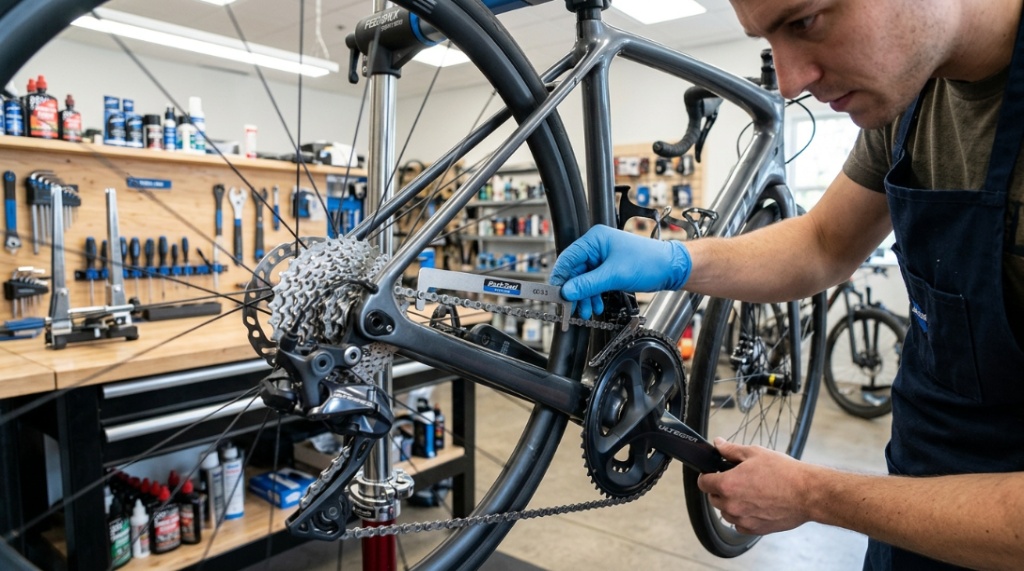
Maintaining a Mountain Bike Under $500 saves you money and extends its life. Essential tools: a multi-tool with hex keys 2–8mm, a chain breaker, tire levers, a floor pump with a pressure gauge, and chain lube. For under $40 in tools, you can handle 90% of basic maintenance. Clean and lube the chain after every ride in wet conditions. Check bolt tightness monthly. If you hear creaking, it is usually a loose bottom bracket or seatpost clamp. Fixing these avoids expensive repairs later. If you don’t have a repair stand, flip the bike upside down—just be careful with the saddle and shifters on uneven ground.
How to Avoid Common Budget Bike Issues
Most problems on cheap bikes stem from poor assembly, weak wheels, and dry bearings. After your first ride, re-tension the spokes if you hear pinging sounds. Apply grease to the seatpost and pedal threads to prevent seizing. Tighten the cassette lockring after 100 miles. If your brakes squeal, sand the pads lightly with fine sandpaper and clean the rotor with alcohol. Many budget bikes also have loose handlebar grips—use hairspray or grip glue to fix them. Finally, do not over-tighten the quick-release skewers on the wheels; they should be snug but not crushing the dropouts.
Frequently Asked Questions
Can I ride black diamond trails on a $500 mountain bike?
Technically yes, but it is not advisable. The cheap fork and brakes will limit control on steep, rocky terrain. You risk damaging the bike and yourself. Stick to blue trails and light enduro loops.
Is a 26-inch wheel mountain bike under $500 worth it?
Yes, if you are shorter (under 5’7″) or ride tight, twisty trails. 26-inch wheels are more responsive and easier to maneuver. For taller riders, 27.5-inch or 29-inch wheels roll better over obstacles.
Should I buy a used mountain bike from Facebook Marketplace?
Yes, but bring a checklist and a friend. Check for cracks, bent derailleurs, and worn tires. Be suspicious of bikes that are unusually cheap—they are likely stolen or have hidden damage.
How long will a $500 mountain bike last?
With proper maintenance, a budget mountain bike can last 3–5 years of moderate riding. Parts like the chain, cassette, and tires will need replacement every 500–1000 miles. The frame can last indefinitely if not crashed.
Do I need tubeless tires on a cheap mountain bike?
Not immediately, but it is the best upgrade for trail performance. Tubeless reduces pinch flats and allows lower tire pressure for grip. Many budget wheelsets are tubeless-compatible even if they don’t come with the setup.
What is the best gear ratio for a $500 mountain bike?
A 1x drivetrain with a 32-tooth chainring and an 11-42t cassette is ideal but rare at this price. If you have 3×7, shift to the middle ring for general trail riding. Use the small ring for steep climbs and the big ring for fire roads.
Are mechanical disc brakes good enough for mountain biking?
Yes, for a $500 bike. Mechanical disc brakes stop well when set up correctly. They require more hand force than hydraulic discs but are easier to maintain and adjust. Upgrade to hydraulic when you can afford $80.
Conclusion
Buying a mountain bike under $500 does not mean you have to settle for a heavy, dangerous piece of equipment. By focusing on an aluminum frame, proper sizing, and reliable brakes, you can get a bike that opens up hours of trail riding. Avoid department store bikes if you want longevity. Upgrade contact points and tires first. If you buy used, inspect carefully. The best budget mountain bike is the one that fits you well and gets you outside consistently. Don’t overthink it—choose a solid model from the brands listed, tune it properly, and ride. Your first real trail bike is out there, and it’s absolutely within your budget. Get pedaling.