

A sinking office chair quickly turns a productive workday into a frustrating experience. Studies show that office workers spend nearly 1,700 hours sitting each year, while poor seating support often increases discomfort and fatigue. If your desk chair keeps dropping, the problem usually comes from worn components instead of user error. Fortunately, understanding the cause helps you restore comfort, improve posture, and extend your chair’s lifespan without unnecessary replacement.
Common Reasons Your Desk Chair Keeps Dropping
The gas cylinder controls your chair’s height through compressed gas pressure. Over time, seals wear out and reduce their ability to hold pressure consistently. Meanwhile, comfortable workplaces often improve employee satisfaction through ideas like rewarding dedicated office staff because physical comfort supports better daily performance.
Daily adjustments also place constant stress on internal mechanisms. Frequent movement eventually weakens important parts that maintain the selected seating height. Consequently, the chair slowly sinks while you work.
Environmental conditions also contribute to mechanical wear. Seasonal temperature changes and indoor humidity can affect rubber seals and moving parts over several years.
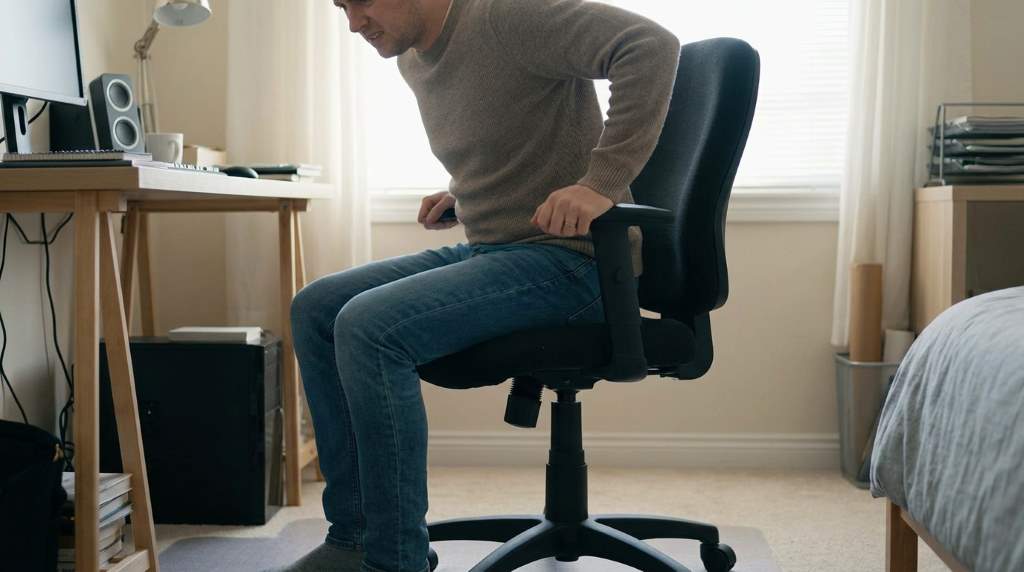
Signs Your Gas Cylinder Is Failing
Several warning signs appear before complete failure occurs. Recognizing them early helps prevent unnecessary discomfort and additional damage.
- The chair slowly lowers without touching the adjustment lever.
- You hear clicking or hissing sounds while sitting.
- The height changes after several minutes of use.
- The adjustment lever feels loose or inconsistent.
- The chair no longer reaches its maximum height.
How Chicago Weather Can Affect Office Chairs
Changing weather conditions often influence furniture performance more than people expect. Cold temperatures may stiffen internal seals, while warmer conditions expand certain materials. Likewise, planning enjoyable breaks with office team lunch ideas can help employees stay comfortable throughout demanding workdays.
Large seasonal swings also increase stress on aging gas cylinders. Older chairs become more vulnerable because worn seals already struggle to maintain proper pressure.
Indoor heating systems create another challenge during colder months. Dry air gradually reduces the flexibility of some rubber components inside the lifting mechanism.
Simple Ways to Diagnose the Problem
You should inspect your chair before purchasing replacement parts. Careful observation often identifies the actual source of the problem quickly. Similarly, modern workplaces continue improving employee comfort through future of office catering alongside ergonomic furniture upgrades.
First, adjust the chair to your preferred height. Next, remain seated for ten minutes without changing your position. If the chair lowers noticeably, the gas cylinder likely needs replacement.
Inspect the adjustment lever for damage or looseness. Also, check whether the cylinder shows visible rust, dents, or leaking oil around the base.
Quick Inspection Checklist
- Test the height adjustment several times.
- Examine the gas cylinder carefully.
- Inspect the adjustment handle.
- Look for damaged chair wheels.
- Check the chair base for cracks.
Temporary Fixes That May Help
Some temporary solutions extend usability while you prepare for permanent repairs. However, these methods should never replace proper maintenance or quality replacement parts.
Many people install a PVC pipe spacer around the gas cylinder. This approach keeps the chair at one height but removes height adjustment functionality completely.
You may also use specially designed cylinder support clamps. These products provide better stability while preserving more of the chair’s original appearance.
When You Should Replace the Gas Cylinder
Replacing the gas cylinder usually costs much less than purchasing a premium office chair. Therefore, repairs often deliver better long term value for quality furniture.
Choose a replacement cylinder that matches your chair’s specifications. Incorrect sizing may reduce stability and create unnecessary safety concerns.
Installation remains straightforward for many standard office chairs. Nevertheless, following manufacturer instructions helps prevent accidental damage during the replacement process.
Prevent Future Height Problems
Routine maintenance significantly extends the lifespan of office furniture. Simple care habits reduce wear and improve overall reliability.
- Avoid dropping your full weight onto the chair.
- Keep moving parts clean.
- Inspect hardware every few months.
- Tighten loose screws promptly.
- Use the chair within its recommended weight limit.
Cleaning also prevents dust from entering moving components. As a result, adjustment mechanisms continue operating more smoothly over time.
Should You Repair or Replace the Entire Chair?
The answer depends on the chair’s overall condition. A sturdy frame with quality materials often deserves a simple cylinder replacement.
However, replacing the entire chair makes better financial sense when several major components have already failed. Worn casters, broken armrests, damaged cushions, and cracked bases usually indicate extensive deterioration.
High quality ergonomic chairs frequently remain useful for many years with proper maintenance. Investing in timely repairs often protects your original purchase and improves everyday comfort.
Final Thoughts
A chair that constantly drops creates unnecessary frustration and reduces workplace comfort. Identifying the cause early allows faster repairs and prevents additional mechanical damage.
Inspect your office chair regularly, replace worn components when necessary, and maintain proper care habits throughout the year. Taking these simple steps helps you enjoy safer seating and better productivity every day.
Frequently Asked Questions
Why does my desk chair keep sinking every day?
A worn gas cylinder usually loses pressure and allows the chair to lower gradually.
Can I repair a sinking office chair without replacing the cylinder?
Temporary fixes exist, but replacing the cylinder provides the most reliable long term solution.
How long does a gas cylinder usually last?
Most quality gas cylinders perform well for several years with regular daily use.
Is replacing a gas cylinder difficult?
Most standard office chairs allow straightforward replacement using basic tools and careful instructions.
Should I replace my chair instead of repairing it?
Replace the entire chair only when multiple major parts have already become damaged.