

New York Fashion Week 2026 arrives in the city from September 11 to 13, marking one of the most anticipated stops on the global style calendar. For three days, designers, editors, buyers, and fans gather to celebrate the newest collections. Whether you are a fashion industry insider or a curious visitor, this guide covers everything you need to know before the runways light up.
What Makes This Season Special
Every September, the fashion world turns its attention to Manhattan. This year, the schedule has been trimmed to a tighter three-day window, giving each show a sharper spotlight. As a result, attendees can expect a faster pace, more concentrated energy, and fewer overlapping events to juggle. The shorter format also means hotels, restaurants, and venues near the shows tend to book up quickly, so early planning pays off.
Key Dates and Daily Highlights
The event runs across three packed days. Below is a simple breakdown of what typically happens during each stage of the week.
| Day | Date | Focus |
| Day One | September 11 | Opening runway shows, press previews, and early presentations |
| Day Two | September 12 | Peak show schedule, major designer runways, and industry parties |
| Day Three | September 13 | Closing shows, final presentations, and wrap events |
On the opening day, expect a mix of established labels and emerging talent presenting their spring collections. The middle day usually carries the heaviest lineup, with back-to-back shows running from early morning into the evening. The final day tends to wind down with smaller presentations, showroom appointments, and after-parties that close out the season.
Where the Shows Take Place
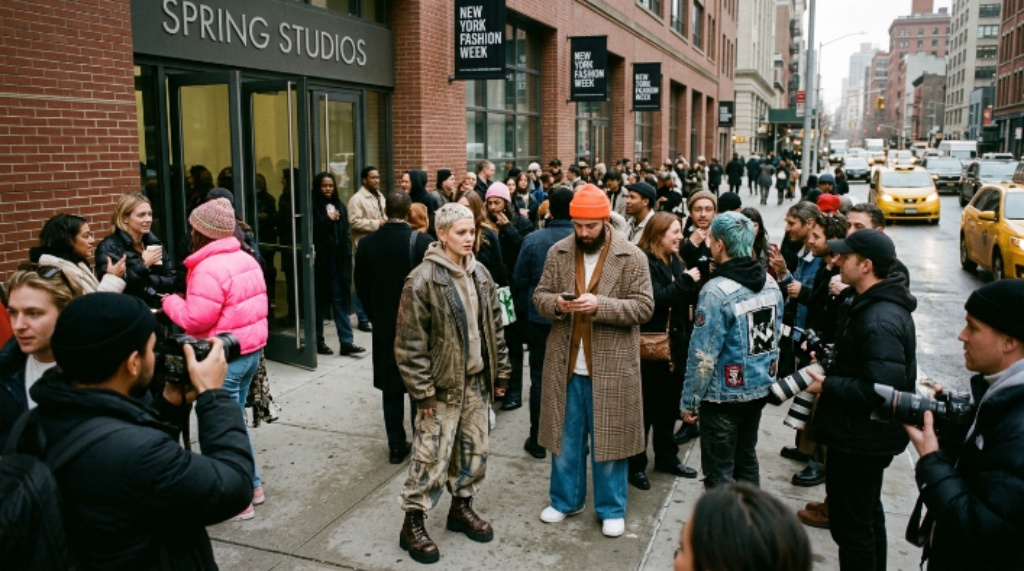
Unlike past decades, when a single tent hosted most shows, today’s event is spread across the city. Popular venues include Spring Studios in Tribeca, Skylight venues in the Meatpacking District, and various private showrooms, galleries, and lofts chosen by individual designers. Some brands also stage shows in unexpected spots, such as museums, parks, or historic buildings, to give their presentation a distinct identity.
Because locations shift each season, checking the official schedule close to the date is wise. Addresses are often confirmed only a few weeks before the shows begin. Additionally, some venues limit public access, so knowing the exact location in advance helps with planning transportation and timing.
How to Get Tickets
Most runway shows are invitation only, reserved for editors, buyers, celebrities, and industry professionals. However, that does not mean the general public is shut out entirely. Several avenues exist for fans who want to experience the week firsthand.
Here are common ways to get involved, even without a formal invitation:
- Livestreams: Many designers stream their shows online, allowing anyone to watch in real time from home.
- Public presentations: Some brands host open showroom viewings or pop-up events that welcome walk-in guests.
- Sample sales: Designers often hold sales during the week, giving shoppers a chance to buy pieces at reduced prices.
- Fashion week apps and platforms: Certain ticketing platforms occasionally release limited seats for select shows to the public.
- Volunteer or intern programs: Students and industry newcomers sometimes gain access by helping with show production.
For those hoping to attend an official runway, reaching out directly to a designer’s public relations team months in advance is often the most reliable strategy. Persistence, along with a genuine interest in the brand, can occasionally open doors.
Planning Your Days at Fashion Week
Navigating three packed days requires a bit of strategy. Since venues are scattered across boroughs, mapping out your route each morning saves time and stress. Public transportation works well for short hops, but rideshare services or taxis are often more practical when moving between distant neighborhoods on a tight schedule.
It also helps to dress comfortably, even while dressing stylishly. Many attendees spend hours standing outside venues, waiting in lines, or walking between locations. Therefore, choosing shoes that balance fashion with function makes the experience far more enjoyable. Layering is another smart choice, since September weather in New York can shift from warm afternoons to cool evenings.
Street Style: The Unofficial Main Event
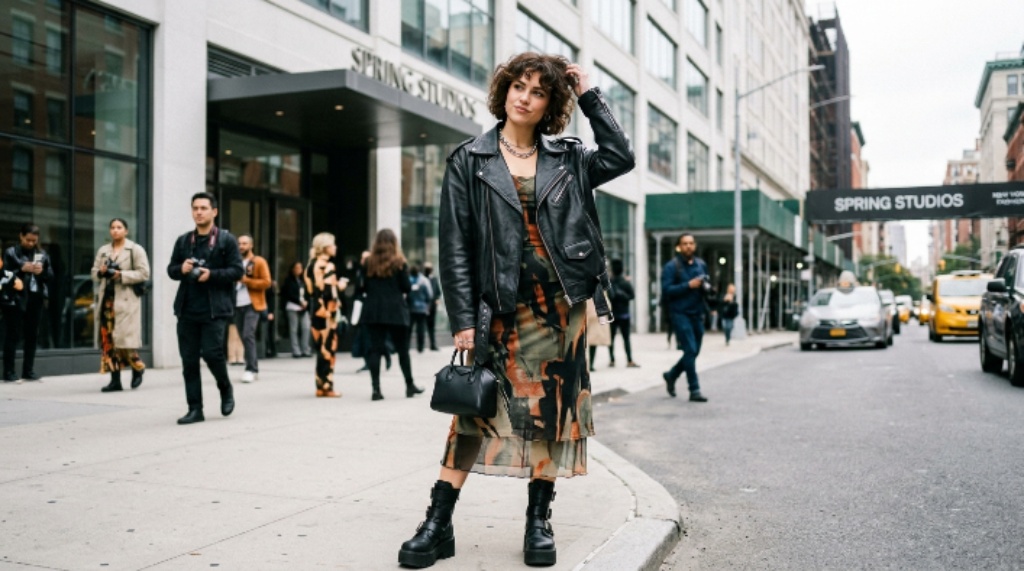
Beyond the runways, one of the week’s biggest draws happens right outside the venues. Photographers line the sidewalks, capturing outfits worn by editors, influencers, and everyday attendees. Over the years, this sidewalk spectacle has grown into a cultural phenomenon of its own, sometimes attracting as much attention as the shows themselves.
If you want to be part of the scene, arriving early near popular venues increases your chances of being photographed. Bold colors, statement accessories, and confident styling tend to stand out most. However, authenticity matters too. The most memorable street style looks usually reflect genuine personal taste rather than an attempt to copy a trend.
What to Expect on the Runways
Each season brings its own mood, shaped by cultural moments, economic shifts, and shifting consumer tastes. While specific collections remain a surprise until the shows begin, certain patterns tend to repeat. Sustainable materials continue to gain traction among younger designers. Additionally, a growing number of brands are blending digital elements, such as augmented reality previews, into their physical presentations.
Expect a wide range of aesthetics across the three days, from minimalist tailoring to bold, maximalist statements. Because the schedule is condensed this year, designers may lean into shorter, more focused presentations that deliver a clear message quickly.
Where to Stay and Eat Nearby
Choosing accommodation close to the main venue clusters can make a noticeable difference during a fast-moving week. Neighborhoods such as Tribeca, the Meatpacking District, and SoHo offer convenient access to many show locations, along with a strong selection of cafes and restaurants for quick breaks between events.
Booking early is strongly recommended, since hotel rates in these areas often rise sharply during fashion week. If budget is a concern, staying slightly farther out and relying on the subway can still work well, as long as travel time is factored into the daily schedule.
A Simple Packing Checklist
Preparing the right essentials ahead of time helps the week run smoothly. Consider packing the following items:
- Comfortable yet stylish shoes for walking long distances
- A lightweight jacket or layer for changing temperatures
- A portable phone charger for long days away from outlets
- A small bag that fits essentials without weighing you down
- Business cards or a digital portfolio if networking is a goal
Sustainability and Industry Conversations
Fashion week is not only about clothing. Panels, talks, and side events often address broader industry topics, including labor practices, environmental impact, and the future of retail. Attending even one of these discussions can offer valuable context for understanding the choices designers make on the runway.
Many attendees find that combining runway viewing with these conversations gives a fuller picture of where the industry is headed. As sustainability becomes a bigger priority for consumers, expect more brands to highlight their environmental efforts throughout the week.
Final Thoughts
New York Fashion Week 2026 promises three intense, exciting days packed with creativity, energy, and style. From September 11 to 13, the city becomes a stage for both established names and rising talent. Although access to official runway shows remains limited, plenty of opportunities exist for fans to experience the excitement through livestreams, public events, and the ever-popular street style scene outside the venues. With a bit of planning around venues, transportation, and accommodation, anyone can enjoy the spirit of the week, whether watching from the sidewalk or from home.
Frequently Asked Questions
When does the event take place in 2026?
The shows run from September 11 to September 13, 2026, across various venues in New York City.
Can the public attend the runway shows?
Most runway shows require an invitation. However, livestreams, public presentations, and sample sales offer ways for fans to participate without formal access.
Where are the shows usually held?
Locations vary by designer and include spaces such as Spring Studios, Skylight venues, galleries, and other creative spots across the city.
How can I watch the shows if I am not invited?
Many designers stream their presentations online, allowing viewers anywhere to watch the shows as they happen.
What should I wear if I want to be photographed for street style?
Comfortable, confident, and personally expressive outfits tend to catch photographers’ attention. Bold colors and statement pieces often stand out most.