

Long before pasta became a weeknight staple, Wisconsin cheese makers were perfecting aging caves, milk blends, and handcrafted recipes that could transform a simple bowl of noodles into a memorable meal. The secret to choosing the right Wisconsin cheese for every pasta dish is matching the cheese’s texture, moisture, and flavor intensity to the pasta style and sauce. Creamy cheeses enrich delicate sauces, aged cheeses add depth to hearty recipes, and artisan varieties create distinctive flavor layers that elevate homemade cooking.
Many home cooks spend hours selecting pasta shapes and crafting sauces but overlook the cheese component. The result is often a dish that tastes flat, greasy, or unbalanced. A sharp cheese can overwhelm a light pasta, while a mild cheese may disappear in a rich meat sauce. Understanding how local Wisconsin cheese varieties interact with different pasta dishes helps create better texture, stronger flavor balance, and restaurant-quality results at home.
Wisconsin produces more than 600 cheese varieties and styles, making it one of the most respected cheese-producing regions in North America. From award-winning cheddar to handcrafted artisan cheese specialties, the state offers options suited to virtually every pasta recipe.
This guide explains exactly how to choose Wisconsin cheese based on pasta type, sauce style, cooking method, and flavor profile so you can confidently create delicious pasta dishes every time.
What Makes Wisconsin Cheese Ideal for Pasta Dishes?
Direct Answer: Wisconsin cheese works exceptionally well with pasta because it combines high-quality dairy production, diverse cheese styles, and expert craftsmanship that deliver superior melting, flavor, and texture.
Wisconsin’s dairy industry has developed a reputation for producing some of the finest cheeses in the United States. The state’s strict licensing requirements for cheese makers ensure consistent quality and expert production methods.
Whether you’re making macaroni and cheese, baked ziti, fettuccine Alfredo, or stuffed shells, local Wisconsin cheese offers several advantages:
- Excellent melting characteristics
- Rich dairy flavor
- Wide range of aging profiles
- Consistent texture
- Availability of artisan and specialty varieties
- High-quality milk sources
For a deeper breakdown of popular pasta-friendly cheeses and how they perform in recipes, explore this comprehensive guide to Wisconsin cheeses that pair beautifully with pasta dishes.
The combination of skilled cheese makers, premium dairy farming, and traditional production techniques gives Wisconsin cheeses exceptional versatility across countless pasta recipes.
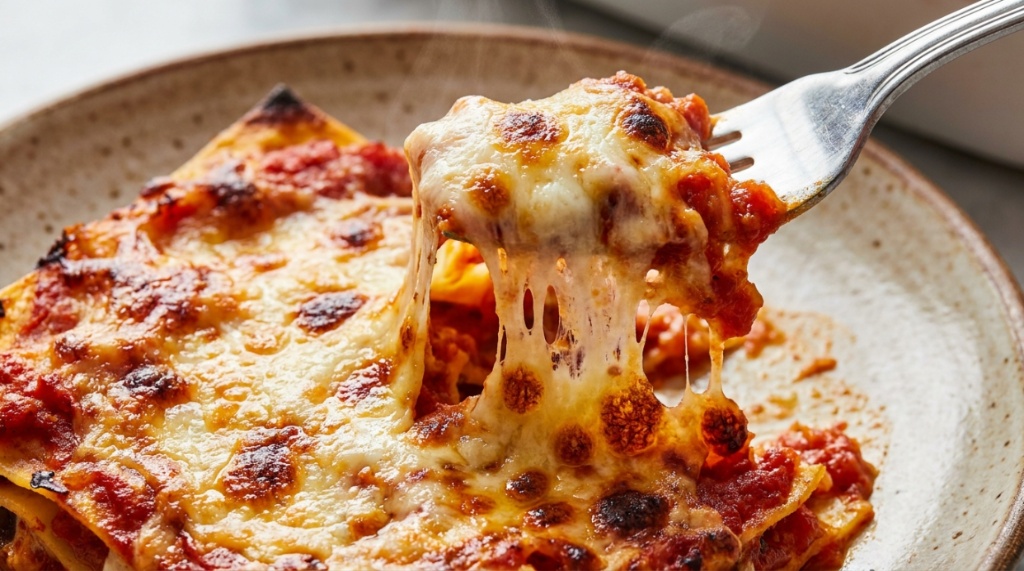
Which Wisconsin Cheese Works Best with Creamy Pasta Sauces?
Direct Answer: Mild cheddar, fontina, butterkäse, gouda, and parmesan-style Wisconsin cheeses pair best with creamy pasta sauces because they melt smoothly without becoming grainy.
Cream-based sauces require cheeses that blend easily into liquid while maintaining a silky texture.
Best Choices for Alfredo and Cream Sauces
- Wisconsin Parmesan-style cheese
- Wisconsin Fontina
- Butterkäse
- Mild White Cheddar
- Young Gouda
Fontina contributes buttery richness and excellent meltability, making it ideal for Alfredo-inspired dishes. Young gouda provides subtle sweetness while enhancing creaminess without dominating the sauce.
Many artisan cheese producers also create specialty washed-rind cheeses that can add complexity to cream sauces when used sparingly.
Why Do These Cheeses Melt Better?
Moisture content and protein structure determine melting behavior. Younger cheeses typically contain more moisture, allowing them to integrate smoothly into sauces.
When making creamy pasta:
- Grate cheese finely
- Add gradually over low heat
- Avoid boiling after adding cheese
- Combine multiple cheeses for balance
What Cheese Should You Use for Tomato-Based Pasta Recipes?
Direct Answer: Sharp cheddar, aged parmesan-style cheese, asiago, and romano-style Wisconsin cheeses complement tomato sauces because their stronger flavors stand up to acidity.
Tomato sauces contain natural acidity that can mute delicate cheese flavors. Stronger cheeses maintain their character and create balanced flavor contrast.
Top Wisconsin Cheese Options for Red Sauces
| Cheese | Flavor Profile | Best Pasta Pairing |
|---|---|---|
| Aged Cheddar | Sharp and tangy | Baked ziti |
| Asiago | Nutty and savory | Penne arrabbiata |
| Parmesan-style | Rich umami | Spaghetti marinara |
| Romano-style | Salty and bold | Rigatoni |
| Aged Gouda | Caramelized notes | Meat sauce dishes |
These cheeses introduce umami compounds that deepen sauce complexity and create a more satisfying overall flavor profile.
Professional chefs often blend multiple cheeses to create layered flavors rather than relying on a single variety.
Which Artisan Cheese Varieties Elevate Gourmet Pasta Dishes?
Direct Answer: Artisan cheese varieties such as cave-aged cheddar, alpine-style cheeses, aged gouda, and handcrafted blue cheese can add complexity and distinctive character to gourmet pasta recipes.
Artisan cheese production emphasizes craftsmanship, small-batch methods, and unique flavor development. These characteristics make artisan cheeses excellent ingredients for elevated pasta dishes.
Unlike mass-produced cheeses, artisan varieties often feature nuanced flavors resulting from specialized aging techniques and carefully managed maturation environments.
Popular Artisan Cheese Pairings
- Cave-aged cheddar with mushroom pasta
- Alpine-style cheese with brown butter sauces
- Aged gouda with roasted vegetable pasta
- Blue cheese with walnut pasta dishes
- Handcrafted sheep milk cheese with herb sauces
Many Wisconsin cheese makers have won international awards for artisan cheese production, further demonstrating the state’s leadership in specialty dairy craftsmanship.
Can Artisan Cheese Replace Traditional Italian Cheeses?
Yes. While traditional Italian cheeses remain classic choices, many Wisconsin artisan cheeses offer similar texture and flavor characteristics while introducing unique regional qualities.
Experimenting with local Wisconsin cheese often leads to creative flavor combinations unavailable through conventional ingredients.
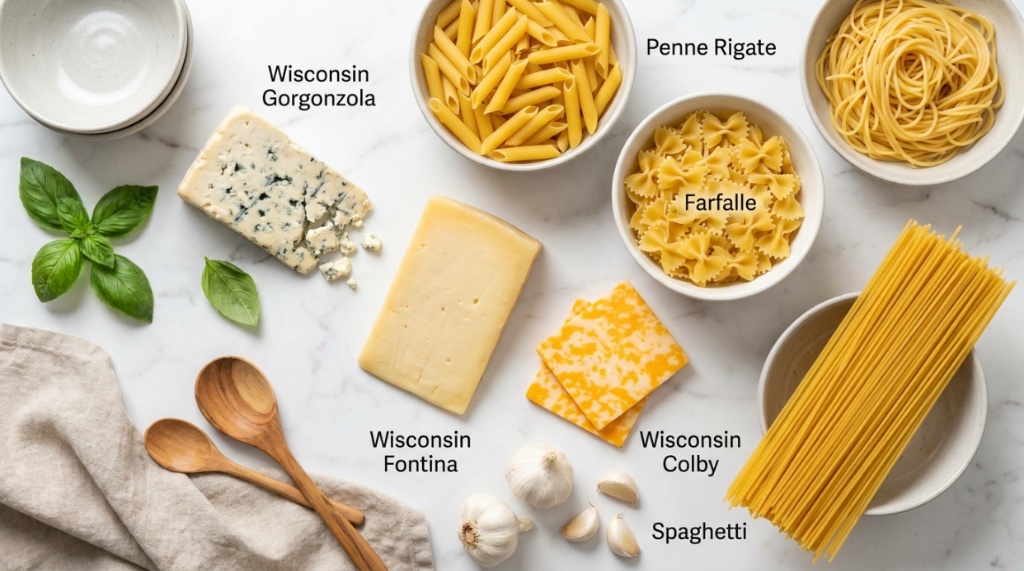
How Do You Match Cheese Intensity to Different Pasta Shapes?
Direct Answer: Delicate pasta shapes pair best with mild cheeses, while larger or ridged pasta shapes can support stronger, more aged cheese varieties.
Pasta shape affects how sauce and cheese interact. Matching intensity creates balance rather than competition.
Light Pasta Shapes
- Angel hair
- Capellini
- Linguine
Recommended cheeses:
- Butterkäse
- Young gouda
- Mild fontina
- Fresh mozzarella-style cheeses
Medium Pasta Shapes
- Penne
- Farfalle
- Rotini
Recommended cheeses:
- Medium cheddar
- Asiago
- Young parmesan-style cheese
Large Pasta Shapes
- Rigatoni
- Jumbo shells
- Lasagna sheets
Recommended cheeses:
- Aged cheddar
- Aged gouda
- Romano-style cheese
- Blue cheese
The larger the pasta shape, the more flavor intensity it can carry without becoming overwhelming.
What Are the Best Wisconsin Cheeses for Baked Pasta?
Direct Answer: Cheddar, mozzarella-style cheese, provolone, fontina, and gouda are among the best Wisconsin cheeses for baked pasta because they melt evenly and develop attractive browning.
Baked pasta dishes require cheeses that maintain structure while creating a golden crust.
Lasagna
- Mozzarella-style cheese
- Fontina
- Parmesan-style cheese
- Mild cheddar
Mac and Cheese
- Sharp cheddar
- Medium cheddar
- Gouda
- Monterey Jack-style cheese
Baked Ziti
- Provolone
- Aged cheddar
- Asiago
- Parmesan-style cheese
Combining two or three cheeses often creates better texture and flavor than relying on a single variety.
What Common Mistakes Should You Avoid When Pairing Cheese with Pasta?
Direct Answer: The most common mistakes include using overly strong cheese with delicate sauces, overheating cheese, ignoring texture compatibility, and choosing only one cheese variety.
Even premium cheese can perform poorly if used incorrectly.
Common Errors
- Adding cheese over high heat
- Using pre-shredded cheese with anti-caking agents
- Ignoring sauce acidity
- Overpowering subtle ingredients
- Skipping flavor balance considerations
- Choosing cheese based solely on popularity
Professional cheese makers frequently recommend tasting cheese independently before cooking to better understand its flavor contribution.
Another effective strategy is blending mild and aged cheeses together. This approach creates depth without overwhelming the dish.
How Can You Build the Perfect Cheese Board to Inspire Pasta Pairings?
Direct Answer: Creating a tasting board with multiple Wisconsin cheeses helps identify flavor combinations that work best in different pasta recipes.
Sampling cheeses side by side develops a deeper understanding of flavor intensity, texture, and melting potential.
Include:
- Mild cheddar
- Aged cheddar
- Fontina
- Gouda
- Parmesan-style cheese
- Blue cheese
Taste each cheese with plain pasta or crackers and note which combinations feel balanced. This practical exercise often reveals pairing opportunities that recipe books overlook.
Conclusion: How Do You Consistently Choose the Right Wisconsin Cheese for Pasta?
Direct Answer: The best approach is matching cheese texture, meltability, and flavor intensity to the pasta shape and sauce style while exploring artisan cheese varieties produced by local Wisconsin cheese makers.
Choosing the right Wisconsin cheese isn’t about following rigid rules. It’s about understanding how different cheeses interact with sauces, pasta textures, and cooking methods. Mild, creamy cheeses excel in delicate sauces. Aged varieties enhance tomato-based recipes. Artisan cheese options provide unique flavors that transform everyday meals into memorable dining experiences.
Wisconsin’s world-class cheese makers offer hundreds of varieties suitable for every type of pasta imaginable. By experimenting with local Wisconsin cheese selections and applying the pairing principles outlined in this guide, you’ll create dishes with better balance, richer flavor, and superior texture every time.
The next time you prepare pasta, treat cheese as a primary ingredient rather than an afterthought. Your sauce, texture, and overall flavor profile will immediately benefit.
Frequently Asked Questions About Choosing Wisconsin Cheese for Pasta
What is the best Wisconsin cheese for homemade macaroni and cheese?
Sharp cheddar is generally considered the best choice because it melts well and provides rich flavor. Combining cheddar with gouda or Monterey Jack-style cheese creates an even creamier result.
Can artisan cheese be used in everyday pasta recipes?
Yes. Artisan cheese can enhance simple pasta dishes by adding unique flavors and textures. Many artisan varieties work well in both everyday meals and special occasion recipes.
Which local Wisconsin cheese pairs best with Alfredo sauce?
Fontina, butterkäse, and parmesan-style cheeses pair exceptionally well with Alfredo sauce due to their smooth melting qualities and balanced flavor profiles.
Should cheese be added before or after pasta sauce is cooked?
Most cheeses should be added near the end of cooking over low heat. This prevents separation and maintains a smooth texture.
What cheese works best with spicy pasta dishes?
Aged gouda, asiago, and sharp cheddar complement spicy sauces because their bold flavors stand up well to heat and strong seasonings.
Why does my cheese become grainy in pasta sauce?
Graininess typically occurs when cheese is overheated or added too quickly. Lower heat and gradual incorporation usually solve the problem.
Can Wisconsin cheese replace imported Italian cheese?
Absolutely. Many Wisconsin cheese makers produce parmesan-style, romano-style, and other aged cheeses that perform similarly while offering distinctive regional character.