
Buying your first mountain bike is exciting. However, walking into a bike shop or scrolling through an online store can feel overwhelming. There are hundreds of options, dozens of brands, and countless terms you may have never heard before. Therefore, this guide breaks everything down in plain language so you can make a smart, confident decision.
Whether you plan to ride on dirt trails, forest paths, or rocky hillsides, this guide covers everything you need. You will learn about terrain types, key MTB features, how to compare models, and how to use a simple buying checklist before handing over your money.
Understanding What Mountain Biking Actually Means
Mountain biking is not just one sport. It covers a wide range of riding styles, and each style calls for a different type of bike. Before you spend any money, think about where you plan to ride most often.
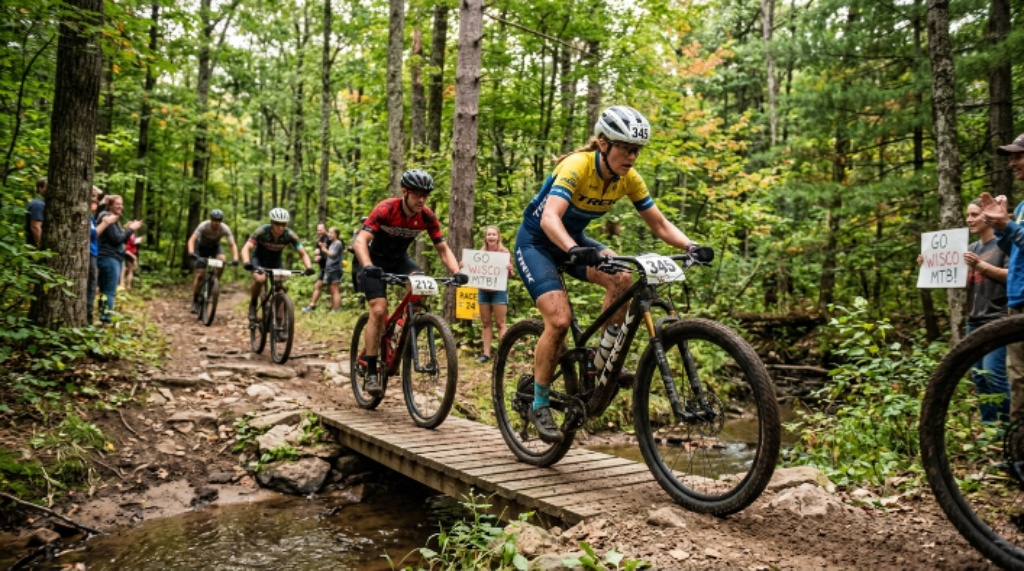
Cross-country (XC) riders move fast on smooth dirt trails and gentle climbs. Trail riders enjoy a mix of climbs and descents on moderate terrain. Enduro riders tackle steep, technical descents. Downhill riders drop from mountain tops on extreme slopes.
Additionally, your fitness level and riding goals matter. A beginner who wants a weekend trail ride needs a very different bike than someone training for a race. Be honest with yourself about your goals. That honesty will save you money and frustration later.
The Main Types of Mountain Bikes
Once you know your riding style, you can narrow down the type of bike that suits you best.
Hardtail bikes have a front suspension fork but no rear suspension. They are lighter, cheaper, and easier to maintain. Therefore, they are a great starting point for most beginners riding smooth to moderate trails.
Full-suspension bikes have both front and rear suspension. They absorb bumps more effectively and give you more control on rough terrain. However, they cost more and require slightly more maintenance.
Rigid bikes have no suspension at all. They are the lightest option but are best suited for smooth gravel paths and flat terrain rather than technical trails.
For most beginners, a hardtail is the smartest choice. It balances performance, weight, and price in a way that supports learning and growth as a rider.
Key MTB Features You Must Understand
Learning about MTB features before you shop puts you in a much stronger position. Here are the most important ones to know.
Frame Material
Aluminum frames are the most popular for beginner and mid-range bikes. They are light, stiff, and affordable. Carbon fiber frames are lighter and absorb vibration better, but they cost significantly more. Steel frames are heavier yet extremely durable. Beginners do best with aluminum.
Wheel Size
Mountain bikes typically come in three wheel sizes: 26-inch, 27.5-inch, and 29-inch. Larger wheels roll over obstacles more easily and hold speed better. Smaller wheels accelerate faster and feel more playful. Most beginner trail bikes today come with 27.5-inch or 29-inch wheels.
Suspension Travel
Suspension travel refers to how far the fork (and rear shock, if present) can compress. More travel means the bike can handle bigger impacts. Cross-country bikes usually have 80 to 100mm of travel. Trail bikes sit between 120 and 140mm. Enduro bikes can have 150mm or more.
Drivetrain and Gears
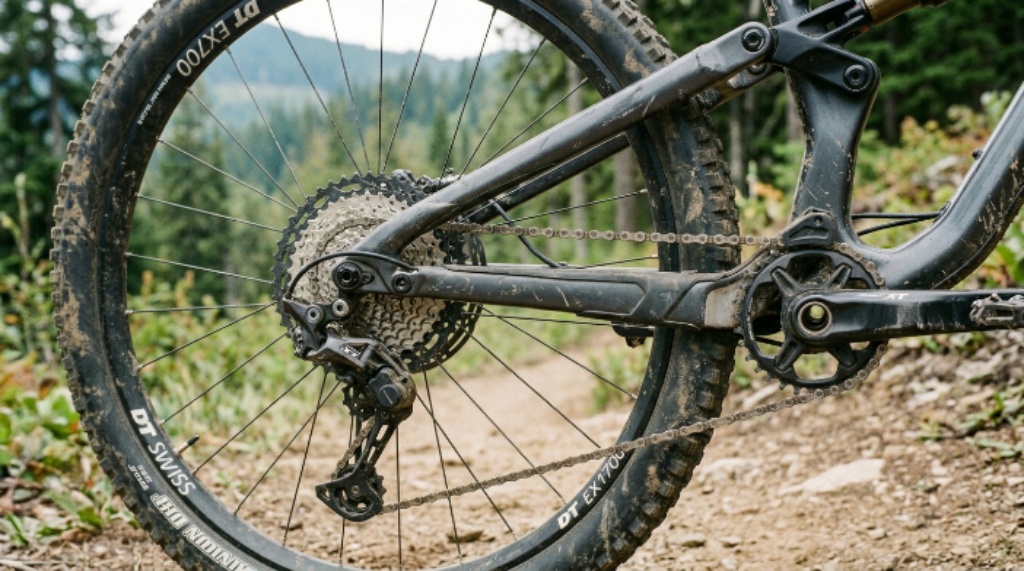
Modern mountain bikes use either 1x (one chainring at the front) or 2x (two chainrings) drivetrains. A 1x drivetrain is simpler to use and maintain, which makes it ideal for beginners. More gears at the back give you a wider range for steep climbs and fast descents.
Brakes
Hydraulic disc brakes offer the best stopping power and modulation. They work reliably in wet and muddy conditions. Mechanical disc brakes are cheaper but require more effort to stop the bike. Avoid rim brakes on mountain bikes as they perform poorly off-road.
Fit and Geometry
Bike fit is perhaps the most overlooked MTB feature. A bike that fits your body will feel natural and comfortable. Check the reach (how far you stretch to the handlebars), stack height (how tall the front end feels), and standover clearance (how much space you have when standing over the top tube). A poorly fitted bike causes discomfort and reduces control.
How to Do a Smart Bike Comparison
When you start looking at specific models, a good bike comparison helps you cut through the noise. Follow these steps.
First, set a realistic budget. Entry-level mountain bikes start around $500 to $800. Mid-range bikes sit between $1,000 and $2,500. Above that, you get premium components but face diminishing returns as a beginner.
Next, list the bikes you are considering. Compare them side by side across the same categories: frame material, wheel size, suspension type and travel, brake type, drivetrain, and weight.
Read reviews from both professional testers and everyday riders. Professional reviews focus on technical performance. Everyday riders highlight comfort and reliability over time. Both perspectives matter.
Additionally, visit a local bike shop if you can. Riding a bike for even five minutes tells you more than any spec sheet. Ask the shop staff questions and be open about your experience level.
Finally, factor in long-term costs. Some bikes are cheap to buy but expensive to maintain. Proprietary parts can be hard to find and pricey to replace. Choosing a bike with standard components keeps future costs manageable.
Your Mountain Bike Buying Checklist
Before you finalize any purchase, use this buying checklist to make sure you have covered every important detail.
- Define your primary riding terrain and style
- Set a firm budget, including gear and accessories
- Choose between hardtail and full suspension
- Select the right wheel size for your terrain
- Confirm the frame size fits your body measurements
- Check the brake type (hydraulic disc is preferred)
- Verify the drivetrain suits your terrain (1x for most beginners)
- Research the brand’s warranty and after-sale support
- Test ride the bike if at all possible
- Compare at least three models before deciding
This buying checklist prevents impulse purchases and ensures you get a bike that genuinely suits your needs.
What to Buy Alongside Your First Mountain Bike
Your bike is the main investment, but it is not the only one. A few essential accessories make your rides safer and more enjoyable.
A quality helmet is non-negotiable. Look for one rated for mountain biking with solid ventilation. Gloves protect your hands during falls and reduce vibration fatigue. Flat pedals are a great starting point because they allow you to put your foot down easily.
Furthermore, a basic repair kit with a spare inner tube, tire levers, and a mini pump can save a ride. Hydration matters too, so consider a small backpack with a water reservoir if your rides will be longer than an hour.
Conclusion
Buying your first mountain bike does not need to be stressful. Start by understanding what kind of riding you want to do. Then learn the key MTB features that affect performance and comfort. Use a structured bike comparison to evaluate your options side by side. Finally, run through the buying checklist before committing to a purchase.
The right mountain bike opens up a world of trails, fresh air, and genuine adventure. Take your time, do your research, and trust the process. Your perfect ride is out there waiting for you.
Frequently Asked Questions
-
How much should a beginner spend on a mountain bike?
A beginner should plan to spend between $600 and $1,200 for a reliable entry-level mountain bike. Bikes below $500 often use low-quality components that wear out quickly and reduce the riding experience.
-
Is a hardtail or full-suspension bike better for beginners?
A hardtail is usually better for beginners. It costs less, weighs less, and is easier to maintain. Full-suspension bikes offer more comfort on rough trails, but they are better suited once you have developed core riding skills.
-
What wheel size is best for a beginner mountain biker?
Most beginners do well with 27.5-inch or 29-inch wheels. The 29-inch option rolls over obstacles more easily, which builds confidence early on. The 27.5-inch wheel feels slightly more agile and suits shorter riders.
-
Do I need to buy from a local bike shop or can I buy online?
Both options work, but buying from a local shop offers clear advantages. You can test ride the bike, get a professional fit, and access in-store support after purchase. Online stores may offer lower prices, however, you lose the hands-on experience.
-
How do I know if a mountain bike fits me properly?
Check that you can stand over the top tube with a few centimeters of clearance. When seated, your legs should have a slight bend at the bottom of the pedal stroke. Your arms should reach the handlebars comfortably without straining your back or shoulders.
Related Topics:
These are all great reasons for children to play golf