
While your new carpet looks great at first, it is what you do with it in the following weeks that will determine how great it looks in 5 years time. So while it may take a few hours to put the carpet down, the following maintenance will take only minutes.
Vacuum little and often
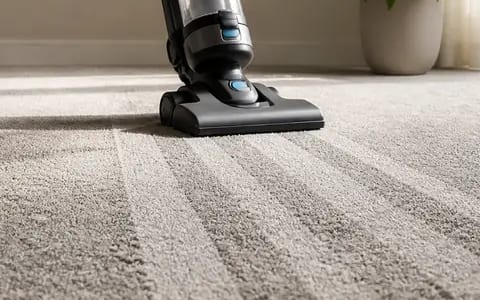
Vacuuming new carpet regularly is crucial in removing dirt and other substances from entering into the pile and causing irreparable damage. High traffic areas need to be cleaned on a regular basis to prevent dulling of the carpet pile and prevent dirt from entering into the carpet fibres. It is essential to vacuum new carpet in slow overlapping sections to prevent cutting the carpet fibres. Check the height of the vacuum to ensure it is set to the correct height for the carpet pile to prevent cutting or creeping of the pile.
Deal with spills straight away
When something is spilled on your carpet, the longer it is left the more likely it is to stain. Use a clean cloth to blot the spill rather than rub it as this can spread the spill and push it further into the carpet’s backing. Most spills can be cleaned with cold water, such as red wine, mud and other substances. Blot the spill from the outside in. For coffee stains, use the same method of repeated blotting between dry and wet cloths until the colour is no longer transferred. For stubborn carpet stains there is plenty of help available online, including Which? Stain Removal Advice. Which? has a number of articles detailing how to remove common carpet stains including red wine, tea and ink. By removing spills quickly you can prevent permanent damage to your carpet and help to extend its lifespan.
Protect the pile from furniture
Don’t allow too much pressure to be placed on your carpet for long periods of time. Heavy items of furniture can cause permanent dents in the carpet fibres if left in the same place for too long. By using castor cups on the legs of heavy bed frames, sofas and freestanding cabinets you can spread the weight of the item and prevent localized pressure on the carpet. Also try to move rugs and furniture around periodically, even if just a few inches, to ensure that the fibres are not being constantly subjected to the same pressure.
Keep sunlight from fading it unevenly
Fading caused by sunlight occurs in areas of your room where the carpet is subjected to the most light. To prevent uneven fading, draw your curtains and close your blinds during the brightest part of the day. If you are unable to do this, then simply rotate your furniture and rugs from time to time. This will spread the sunlight exposure evenly across the area of carpet nearest to the window. See also Pay Weekly Carpets.
Make shoes off a habit
Shoes carry so much dirt and can scratch your carpet badly. This is particularly true for shoes that have been walked around in outside, such as trainers or wellies. A good quality door mat at every entrance to your home can help to pick up a lot of the dirt before it gets further into the house. However, a simple policy of removing your shoes on entering a room is one of the cheapest ways to maintain your carpet and to stop it wearing in certain areas.
Book a professional deep clean
Vacuuming your carpet on a regular basis is not enough to remove all the dirt that has been ground into the carpet pile over the months. Some types of carpet require an annual deep clean to restore the pile to its original state. It’s also worth remembering that many carpet designs and even some carpet warranties require you to maintain your carpet in a reasonable manner. Keeping a record of cleaning your carpet is recommended in case you need to make a claim at some point in the future.
Check edges and seams early
The edges of your carpet, including where it meets doorways, stairs and other floors, are particularly prone to early deterioration and need to be monitored on a regular basis for signs of fraying. A loose strand of yarn or a lifted seam can develop into a major problem very quickly. Early detection and repair of any such problems is crucial and it is best to report any such findings to the supplier or fitter as soon as possible.
Watch humidity in damp rooms
Mould and mildew are most likely to develop in carpets in bathrooms, basements, conservatories and other damp areas of the home. Keep these areas well ventilated and make sure that a towel is left to dry as soon as possible. Open a window, use an extractor fan, or consider purchasing a dehumidifier to remove moisture from the air in particularly humid rooms.
Looking after your carpet properly will repay you in the carpet’s longevity and in the carpet looking good and feeling soft underfoot. Once the routine is adopted, it won’t add much to your daily chores.