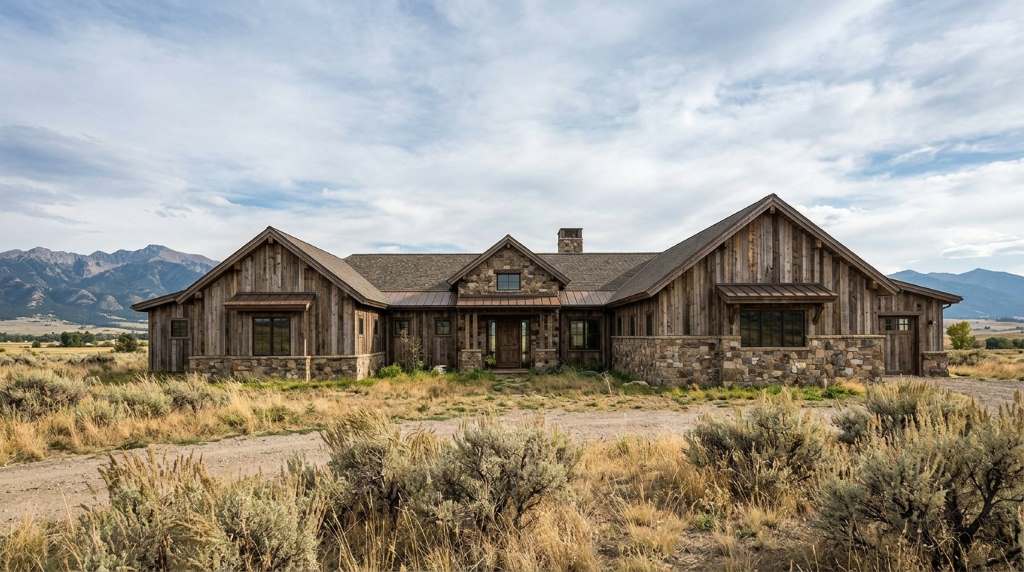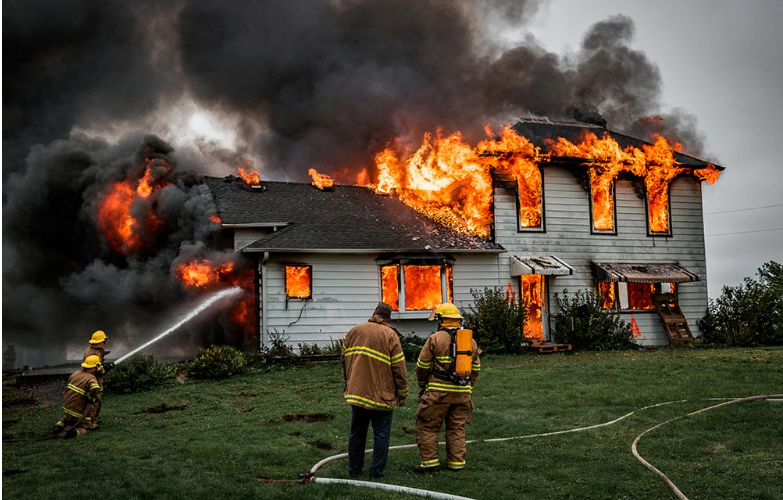

High winds tear off shingle fixtures in Denver mainly because gusts exploit loose fasteners, aged shingles, weak flashing, and exposed roof edges. Denver’s wind environment makes these small defects more consequential, while winter weather can further weaken roofing materials. The risk deserves attention when adding equipment such as starlink roof installation, which can introduce additional roof penetrations. Wind gusts above 50 mph can damage vulnerable roofs quickly, making preparation worthwhile.
Key Takeaways
- Strong gusts lift shingle edges and transfer force toward fasteners.
- Loose, short, or misplaced nails make shingles easier to detach.
- Aging shingles lose flexibility and become more vulnerable during gusty weather.
- Roof edges, ridges, valleys, and penetrations face greater wind exposure.
- Regular inspections can identify weak fixtures before severe weather arrives.
- Prompt repairs usually cost less than widespread wind damage.
How Denver Winds Attack Shingle Fixtures
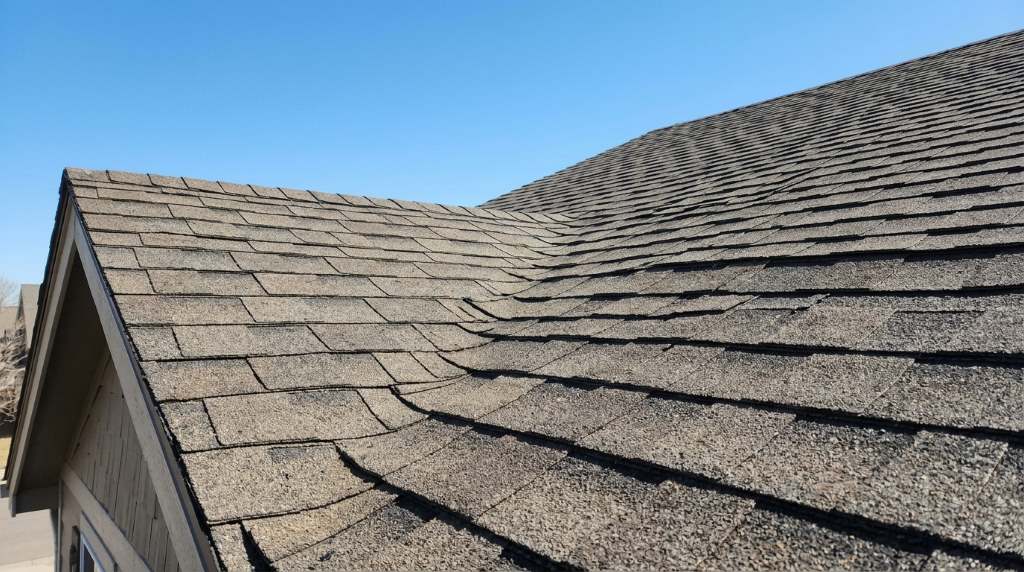
Wind rarely removes a healthy shingle through one dramatic force. Instead, repeated gusts create uplift beneath exposed edges, gradually stressing nails, adhesive strips, and surrounding shingles. Once one fixture loosens, the opening gives later gusts a larger path beneath the roofing surface.
Denver also presents a distinctive combination of elevation, temperature swings, and sudden weather changes. Consequently, roofing components can experience repeated expansion, contraction, drying, and mechanical stress before a major wind event occurs.
Roof geometry matters too because corners, ridges, eaves, and rakes receive stronger airflow. Therefore, contractors should inspect these areas closely after storms rather than checking only the broad roof field.
Why Shingles Become Vulnerable Before a Storm
Age often changes how shingles respond to wind. As asphalt roofing dries and loses flexibility, its edges can crack, curl, or separate from adhesive bonds. Meanwhile, earlier repairs may leave inconsistent fastening patterns that create isolated weak points.
Fastener placement also determines resistance. Nails placed too high, driven crookedly, or set too deeply can reduce holding power and allow shingles to move under repeated uplift.
Roofers sometimes use sealants during repairs, but product selection requires care and correct application. This discussion of silicone roof sealants explains why sealing choices can affect maintenance decisions.
Roof Features That Suffer the Most
The roof perimeter deserves particular attention because wind pressure changes as air moves across edges. Loose starter shingles, ridge caps, and exposed rake sections can create entry points that spread damage.
Roof penetrations also deserve careful inspection because flashing must remain secure around vents, pipes, and mounted equipment. Homeowners planning upgrades should understand security from roof floor principles alongside sound roof maintenance.
Valleys can collect debris and moisture, while nearby fixtures may experience unusual airflow. Similarly, damaged flashing can allow water intrusion after wind removes protective materials.
How Winter Conditions Increase Wind Damage
Cold weather can make roofing materials less flexible, especially when temperatures remain low for extended periods. Snow, ice, and freeze-thaw cycles can also expose existing weaknesses around shingles, flashing, and fasteners.
Winter storms create another problem because wind and precipitation can attack the same vulnerable area simultaneously. For additional context, this guide to winter weather roof damage highlights conditions homeowners should watch.
After a winter windstorm, inspect visible shingles, gutters, vents, and roof edges from the ground. Never climb onto an icy or snow-covered roof simply to confirm damage.
Warning Signs That Need Attention
A missing shingle provides an obvious warning, but smaller clues often appear first. Look for lifted corners, exposed nail heads, cracked tabs, granules around downspouts, or shingles that appear uneven.
Inside the home, inspect ceilings and upper walls for new stains after windy weather. However, interior damage may appear after water has already traveled beneath multiple roofing layers.
Pay particular attention to changes that follow storms. A quick inspection after significant gusts can reveal problems while repairs remain localized.
What Homeowners Should Do After High Winds
Start with a ground-level visual inspection using binoculars if available. Photograph suspicious areas from a safe location, then contact a qualified roofing professional for a closer assessment.
Avoid pulling loose shingles, hammering exposed nails, or applying random sealants without understanding the underlying problem. Such quick fixes can conceal damage while leaving the roof vulnerable to another storm.
If water enters the home, protect belongings and document the affected areas. Then arrange professional evaluation promptly, especially when the roof contains multiple loose fixtures.
How to Reduce Wind-Related Shingle Damage
Preventive maintenance works best when it addresses fastening, adhesion, flashing, and drainage together. Ask a roofer to inspect perimeter shingles, ridge caps, penetrations, and previous repair areas during routine maintenance.
Keep gutters and roof drainage paths clear because trapped moisture can accelerate deterioration. Also, trim branches that can strike the roof during gusts and inspect nearby structures that could send debris toward shingles.
When replacing a roof, ask about wind-rated materials and manufacturer installation requirements. Proper installation matters because even high-quality shingles can fail prematurely when crews ignore fastening specifications.
When Repair Makes More Sense Than Replacement
A few displaced shingles do not automatically mean the entire roof needs replacement. A professional can assess the roof’s age, remaining service life, damage pattern, fastening condition, and material availability.
Replacement becomes more reasonable when wind damage combines with widespread granule loss, cracking, curling, moisture intrusion, or repeated repairs. In contrast, localized damage on a relatively sound roof often supports targeted repair.
Ask for photographs and a clear explanation of the recommended work. A reputable contractor should distinguish storm damage from ordinary aging and explain why each repair is necessary.
A Practical Denver Wind-Ready Roof Checklist
Use this checklist before and after periods of severe wind:
- Inspect: Check roof edges, ridge caps, vents, flashing, and visible shingle tabs.
- Document: Photograph damage and record the storm date when possible.
- Protect: Move valuables away from interior leaks and contain active drips safely.
- Avoid: Stay off steep, wet, icy, or visibly damaged roofing surfaces.
- Assess: Have a qualified roofer inspect suspected wind damage.
- Repair: Address loose fixtures before another major weather event.
Conclusion
High winds tear off shingle fixtures when uplift exposes weaknesses that already exist in roofing materials or installation. Denver’s changing weather can magnify those weaknesses, especially around roof edges, penetrations, and aging shingles. Therefore, homeowners should treat loose or lifted fixtures as early warnings rather than cosmetic defects. Schedule a professional inspection after significant wind and repair vulnerable areas before the next storm.
FAQs
What wind speed can tear off roof shingles?
Strong gusts around 50 mph or higher can dislodge vulnerable shingles, although damage varies with roof condition and installation quality.
Why do shingles lift during high winds?
Wind creates uplift beneath shingle edges, stressing adhesive bonds and fasteners until vulnerable shingles move or detach.
Can old shingles withstand Denver winds?
Older shingles may withstand ordinary weather, but aging can reduce flexibility and increase vulnerability during severe gusts.
Should I inspect my roof after a windstorm?
Yes, a ground-level inspection can identify visible damage, while a professional should evaluate areas you cannot safely reach.
Can missing shingles cause leaks?
Yes, missing shingles can expose underlayment and decking, allowing wind-driven precipitation to enter vulnerable roof areas.