
Even the fittest squad will show the effects of a differing physical workload within a few hours of arrival. Get the measures to build your squad’s fitness and to check for any previously unknown injuries into place well before you book your flights.
How French Fixtures Differ Physically
In general French club and school rugby is dominated by a lot of forward plays, especially in set pieces and a lot of faster ruck work. A lot of lineout ball, therefore a lot of work in scrums and a lot of short fast work at the break down. A team that is used to a stop start style of domestic rugby will often get blown out of the water within 20 minutes of play in France. Try to recreate these higher work rate sessions a few times before you travel.
Building A Pre-Tour Conditioning Block
Creating a conditioning block 4-6 weeks prior to travel (with 2-3 running sessions and corresponding strength work) will look to improve repeated efforts at high speed (interval running – 6 x 400m with minimal recovery between each) as well as ensure that forwards are able to withstand the demands of prolonged scrummaging (squat, deadlift and core strength work). Using the NHS’ recommended activity levels for teenagers and adults is a good starting point to gauge a squad’s current fitness prior to embarking on a tour.
Managing Back-to-Back Fixtures
After matches leave plenty of time between matches for full recovery. Ensure that players are allowed to rest and recover on return to accommodation after matches, and where possible ensure that players are not required to undertake any training the day after matches, instead opt for mobility work etc. that will allow players to recover but also ensure that legs etc are moved to aid recovery. Instead of further strenuous training opt for pool sessions, walks etc to allow players to move but not to add excessive fatigue to enable players to arrive for second matches in better condition.
Adjusting For Climate And Pitch Surfaces
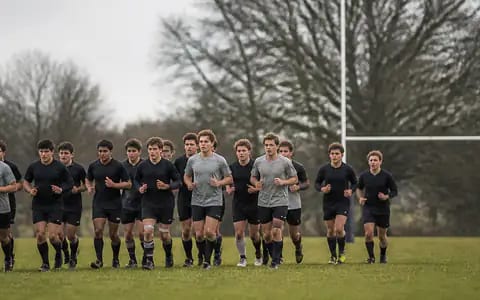
Most rugby is played on grass, but the ground in the south of France can be firmer and drier than in the UK, and it is worth simulating this type of surface in the weeks leading up to departure, particularly if you have a number of training sessions prior to the first match. Players must also be aware of the effect that warmer weather has on the body and how it can create the sensation of working harder at the same intensity. The players must also drink more frequently throughout the day to maintain hydration levels and prevent thirst. A useful reference for Rugby Tours To France is https://www.foxsportstravel.co.uk/sports-travel/rugby-tours/france/.
Coping With Travel Fatigue
Long coach rides or ferry crossings can leave your team feeling very stiff and lead to some poor first sessions. Short regular stops of about 20 minutes every couple of hours for players to stretch their legs for 5 minutes and do some basic calf and hamstring work is recommended. Also ensure that water bottles are constantly full on travels and avoid leaving it until late to have a big drink.
Pre-Tour Medical Checks
Before you travel on your France Rugby Tour, perform basic screening on each player to assess readiness for contact and highlight potential problems before it’s too late. A simple fitness test, resting heart rate, movement screen and injury assessment via a simple written questions will highlight any problems. For more information see the England Rugby touring club welfare guidance.
Nutrition And Hydration On Tour
Young players will not know how to deal with foods and circumstances different to their normal routine. Match-day meals need to be organised well in advance to enable players to be fed something familiar containing plenty of carbohydrates 2-3 hours prior to kick-off time. The normal hotel breakfast may not provide sufficient hydration or contain the right amount of nutrients to sustain a player until the next meal time. Inadequately fuelled by half-time players are at high risk of suffering soft tissue injuries in the second half.
Balancing Training With Sightseeing
Double up on the training days and the players may be looking at overreaching before the match. Therefore, ensure that the one training session on the sightseeing days is light and focuses on specific skills i.e. drills and games of touch rather than contact. Ensure that the players are utilising the rest days as intended and not filling them with further activity. Also ensure that you check the latest Travel Advice for France before departure and ensure that all players hold a current UK Global Health Insurance Card for necessary and suitable medical treatment while abroad.
Sorting the conditioning block, rest days and getting the players’ hydration right before departure will reap far greater returns for both the players and the coaches on the tour.