

Successful events depend on careful planning, yet many schedules fail because small delays quickly grow into larger problems. Studies show that nearly 70% of projects experience timeline changes, while organized planning can improve delivery success by over 30%. Creative professionals often learn valuable scheduling lessons from different industries, including the Tokyo gaming expo schedule, where detailed planning supports thousands of activities. Therefore, Austin creators build flexible systems that help every event stay organized despite unexpected challenges.
Understand Why Event Timelines Break
Every successful timeline starts with identifying common scheduling mistakes before production begins. Most delays appear because teams underestimate preparation time or communication requirements.
Austin creators often review planning methods from large public events to improve organization. For example, studying Iowa State Fair attractions highlights how structured planning supports multiple activities across busy schedules.
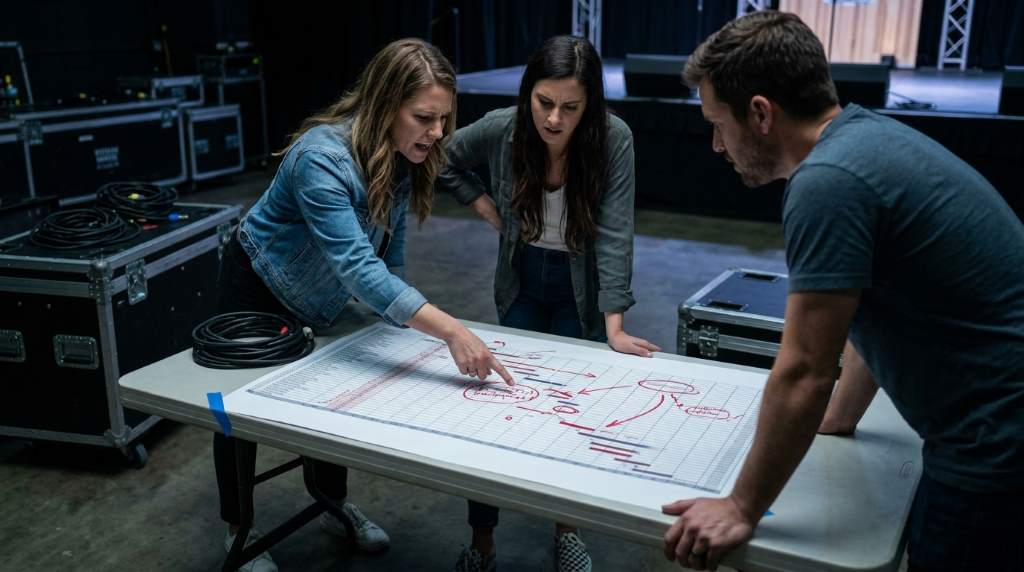
Several problems frequently damage production timelines.
- Unclear project goals
- Late client approvals
- Missing production resources
- Poor communication between departments
- No backup plan for unexpected issues
Recognizing these risks early allows creators to prevent larger scheduling problems later. As a result, every production phase becomes easier to manage.
Build Every Timeline Backward From Event Day
Experienced creators rarely begin planning from the first production meeting. Instead, they work backward from the final event date to protect every milestone.
This method creates realistic deadlines because every task receives enough preparation time. Consequently, teams avoid rushing during important production stages.
Identify Critical Milestones
Each production should include major checkpoints before the event arrives. These milestones make progress easier to monitor throughout the project.
- Creative approval
- Venue confirmation
- Equipment testing
- Marketing launch
- Final rehearsal
- Event execution
Every completed milestone reduces uncertainty during the remaining production schedule. Therefore, project managers gain better visibility into overall progress.
Assign Clear Deadlines
Every task needs a responsible owner and a realistic completion date. Shared responsibility usually creates confusion instead of accountability.
Austin production teams also review successful event planning examples from different industries. Reading about Beautyworld Middle East demonstrates how organized scheduling supports complex exhibitions with many participants.
Improve Communication Throughout Production
Strong communication prevents many timeline failures before they affect production. Every team member should understand responsibilities without guessing.
Daily updates help everyone identify delays before they become expensive problems. Likewise, quick conversations often replace long correction meetings later.
Hold Short Status Meetings
Brief meetings keep projects moving without reducing productive work time. Most teams only need fifteen minutes each morning.
During each meeting, discuss completed work, current priorities, and possible obstacles. This habit keeps everyone aligned throughout the production process.
Use Shared Project Tools
Cloud based project management software gives every contributor the latest production updates. Consequently, fewer misunderstandings occur across creative departments.
Many creators also observe planning examples from specialized exhibitions through Reefapalooza California, where detailed scheduling helps vendors and organizers coordinate efficiently.
Create Backup Plans Before Problems Appear
Professional creators expect unexpected situations during every production. Therefore, they prepare alternatives before challenges interrupt progress.
Backup plans reduce stress because every team member already understands the next action. This preparation keeps production moving despite changing circumstances.
Prepare Alternative Vendors
Reliable backup vendors protect projects when equipment failures or cancellations occur unexpectedly. Maintaining these relationships saves valuable production time.
Many Austin agencies keep updated contact lists for photographers, rental companies, transportation providers, and technical specialists. Consequently, replacements become available much faster.
Build Time Buffers
Extra scheduling time protects important milestones from small production delays. Even one unexpected issue rarely affects the final event schedule.
Smart planners usually reserve additional hours between major production phases. This strategy improves flexibility without reducing overall efficiency.
Balance Creativity With Practical Scheduling
Creative ideas inspire memorable events, yet every concept requires realistic production planning. Strong schedules help creative work reach its full potential.
Project leaders should evaluate ambitious ideas before promising final delivery dates. Honest planning builds stronger client relationships over time.
Prioritize High Value Tasks
Not every production activity carries equal importance during busy schedules. Teams should complete essential work before optional improvements.
- Client approvals
- Venue logistics
- Technical testing
- Safety inspections
- Final rehearsals
This approach protects the event experience even when unexpected changes occur. As a result, audiences notice smoother execution.
Review Every Event After Completion
Successful creators improve future projects by studying every completed event carefully. Honest evaluations reveal strengths and recurring weaknesses.
Teams should compare planned schedules against actual completion times after every production. These findings create more accurate future timelines.
Collect Team Feedback
Every department offers valuable insights after production finishes successfully. Different perspectives reveal hidden scheduling opportunities.
Project managers should document recommendations immediately while experiences remain fresh. Future productions benefit from this growing knowledge base.
Update Timeline Templates
Reusable templates save planning time across future productions with similar requirements. Consistent processes also reduce scheduling mistakes.
Continuous improvements help Austin creators deliver better events with greater confidence. Over time, reliable systems replace stressful last minute decisions.
Conclusion
Strong event timelines come from realistic planning, clear communication, flexible scheduling, and continuous improvement. Austin creators consistently produce better events because they prepare for challenges before problems appear.
Start applying these strategies to your next production today and refine every timeline after each completed event. Consistent improvements will help your projects stay organized, professional, and successful.
Frequently Asked Questions
Why do event timelines usually fail?
Most timelines fail because planning overlooks realistic deadlines and communication needs.
How far ahead should creators build an event timeline?
Creators should begin planning as early as possible to allow flexibility for changes.
What is the best way to avoid production delays?
Clear responsibilities, regular updates, and backup plans reduce most production delays.
Why are milestone checkpoints important?
Milestones help teams monitor progress and correct issues before deadlines slip.
Should every completed event include a review?
Yes, reviewing every project improves future scheduling accuracy and overall performance.