

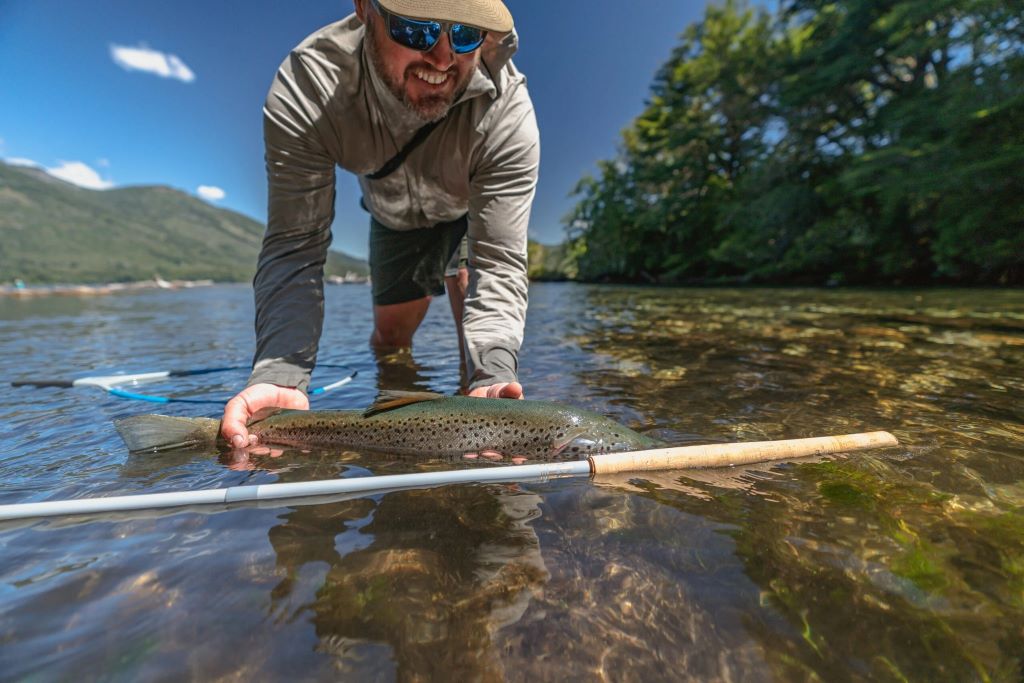
Imagine trekking through dense forest trails, the crisp mountain air filling your lungs as you approach a narrow, boulder-strewn stream cascading down from snow-capped peaks. The water rushes with untamed energy, hiding wild trout in its pockets and eddies. This is the allure of tenkara fishing in mountain streams—a minimalist, intimate way to connect with nature. But in these demanding environments, your success hinges on one critical choice: selecting the right tenkara rod. Get it wrong, and you’ll battle frustration; get it right, and you’ll unlock effortless casts and thrilling hookups. In this comprehensive guide, we’ll dive into the essentials of tenkara rod selection, tailored specifically for mountain stream anglers, helping you navigate options like rod flex, length variations, and material durability to enhance your fishing experience.
What Is Tenkara Fishing and Why It Shines in Mountain Streams
Tenkara fishing originated in Japan’s high-altitude streams, where anglers used simple, telescoping rods without reels to present flies with precision. It’s a fixed-line method, relying on a lightweight rod, a furled or level line, and a fly—perfect for backpackers and hikers who value portability over complexity. Unlike traditional fly fishing with its heavy reels and long lines, tenkara emphasizes technique, feel, and simplicity, making it ideal for remote mountain waters.
Mountain streams present unique challenges that amplify tenkara’s strengths. These waterways are often fast-flowing, with steep gradients creating turbulent currents that demand quick, accurate presentations. Overhanging branches, rocky banks, and confined spaces limit casting room, while small, spooky fish require delicate fly delivery. Tenkara rods excel here because they’re lightweight, collapse to under two feet for easy packing, and allow for high-stick nymphing or dead-drifting flies in tight quarters. According to experts, this setup mimics the traditional methods used in Japanese mountain rivers, where mobility and subtlety are key to landing native species like brook trout or cutthroat in North American equivalents.
Key Challenges of Fishing Mountain Streams with Tenkara
Before picking a rod, understand the terrain. Mountain streams vary from narrow headwaters—think 5-15 feet wide with dense vegetation—to broader mid-elevation flows with more open banks. Common hurdles include:
- Tight Casting Spaces: Low-hanging trees and bushes force short, controlled casts.
- Fast Water and Structure: Rapids, plunge pools, and boulders require rods that can handle quick strikes and protect light tippets.
- Hiking Demands: Rods must be packable, durable against snags, and light for all-day adventures.
- Fish Size and Behavior: Smaller trout (8-12 inches) dominate, but occasional larger ones test rod strength.
Addressing these through smart rod choices ensures you’re equipped for variable conditions, from alpine brooks to forested creeks.
Essential Factors to Consider When Selecting a Tenkara Rod
Choosing a tenkara rod isn’t about grabbing the most expensive model; it’s about matching specs to your fishing style and stream type. Let’s break down the core elements.
Rod Length: Balancing Reach and Maneuverability
Length is perhaps the most debated factor in tenkara rod selection. For mountain streams, rods typically range from 9 to 14 feet, but the sweet spot depends on stream size and canopy cover.
Shorter rods (9-11 feet) are favorites for ultra-tight, brushy streams where overhanging foliage restricts movement. They allow for easier underhand or bow-and-arrow casts, reducing snags and improving accuracy in confined areas. For instance, in small headwater creeks, a compact rod lets you sneak up on fish without alerting them. However, they limit reach, making it harder to cover deeper pools or keep line off the water in fast currents.
Standard lengths around 12 feet offer versatility, acting as an “all-around” option similar to a 9-foot, 5-weight fly rod in Western angling. These provide better control for drifting flies naturally and handling moderate fish sizes. In more open mountain streams, opt for 13-14 foot rods to maximize reach, allowing you to high-stick over obstacles and present flies farther upstream without wading.
Pro Tip: If your local streams mix tight and open sections, choose a zoom rod that adjusts length (e.g., 10-12 feet). This adaptability is invaluable for unpredictable mountain terrain. Always test rod length by simulating casts in similar environments—many outfitters offer demos.
Rod Action and Flex: Matching to Fish and Water
Tenkara rods are rated by flex, like 5:5 (full flex, soft) or 7:3 (tip flex, stiffer), indicating how the rod bends under load. For mountain streams with small, feisty trout, softer actions (5:5 or 6:4) are ideal. They load easily with light lines, protect thin tippets from breaking on sudden runs, and provide a fun, forgiving fight. This flex helps in delicate presentations, essential for spooky fish in clear, shallow water.
Stiffer actions (7:3 or 8:2) suit streams with larger fish or stronger currents, offering backbone for casting weighted flies or battling 14+ inch trout. They’re precise for accurate placements around rocks but can feel less enjoyable with tiny fish. Beginners often start with mid-flex rods for balance.
Consider water speed: In rapid mountain flows, a medium-flex rod absorbs shocks from surging fish, reducing lost catches. LSI terms like “tenkara rod bend profile” or “flex ratio for stream fishing” highlight how this impacts performance—aim for harmony between rod action and your casting style.
Material and Build Quality: Durability Meets Lightweight Design
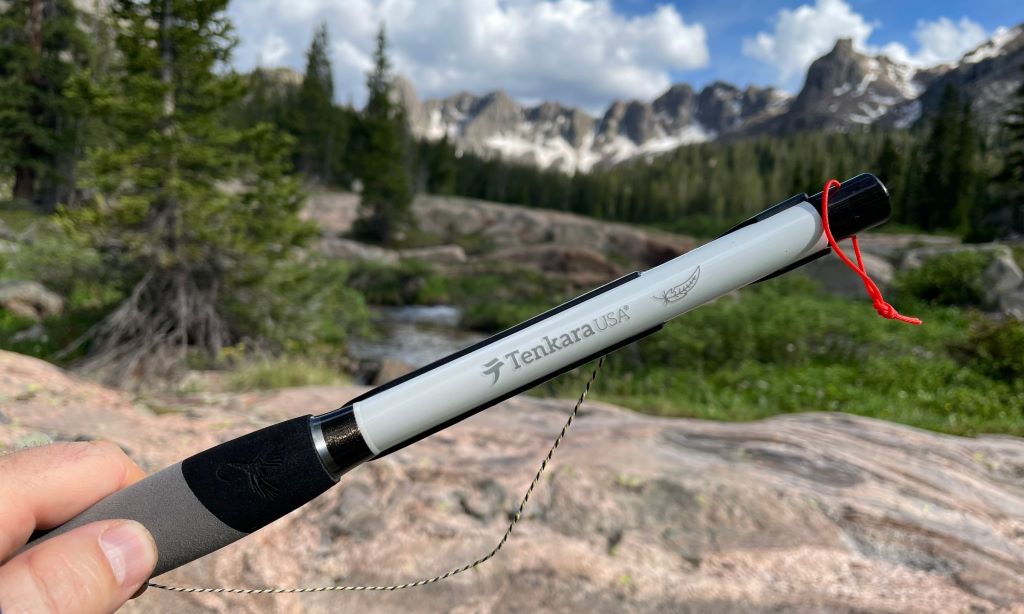
Most modern tenkara rods use high-modulus carbon fiber for strength-to-weight ratios that withstand snags and falls during hikes. This material ensures sensitivity to detect subtle bites while keeping the rod under 3 ounces—crucial for fatigue-free days on the trail.
Look for reinforced tips and butts to handle accidental bends, common in rocky streams. Some rods feature cork or foam grips for comfort in cold mountain water. Avoid cheap imports with brittle sections; invest in reputable brands for warranties against breakage.
Collapsed length matters too—under 20 inches fits easily in backpacks, making it a go-to for multi-day trips. Premium builds often include spare parts kits, enhancing longevity in remote areas.
Weight and Balance: Comfort for All-Day Fishing
A well-balanced rod feels like an extension of your arm, vital when wading uneven streambeds. Target rods weighing 2-4 ounces; heavier ones tire you out, while ultralight models (under 2 ounces) sacrifice durability.
Balance is subjective—hold the rod extended to check if it tips forward or back. For mountain streams, prioritize rods that feel lively yet stable, aiding in precise manipulations like pulsing flies to mimic insects.
Price Range and Value: Budget vs. Performance
Tenkara rods span $50-$300+, but for mountain use, mid-range ($100-200) options deliver reliability without excess. Entry-level rods suit beginners testing the waters, while premium ones offer finer actions and better materials for seasoned anglers.
Don’t equate price with quality blindly; read reviews for real-world performance in streams. Brands like Tenkara USA, Dragontail, and TenkaraBum provide excellent value, with models backed by lifetime support.
Top Tenkara Rod Recommendations for Mountain Streams
Based on expert insights and user feedback, here are standout picks:
- Tenkara USA Iwana (11-12 ft, 6:4 flex, ~2.5 oz, $150-180): Versatile for tight streams, with soft action for small trout. Pros: Affordable, durable; Cons: Less reach in open water.
- Dragontail Mizuchi (10-11 ft, 5:5 flex, ~2 oz, $120): Ideal for brushy creeks, ultralight for hiking. Pros: Compact collapse, sensitive tip; Cons: May flex too much for big fish.
- TenkaraBum Traveler 27 (9 ft, soft flex, ~1.5 oz, $200+): Perfect for headwaters, seiryu-style for tiny fish. Pros: Extremely packable; Cons: Limited availability.
- Dragontail Kaida (12 ft, 6:4 flex, ~3 oz, $140): All-around for varied streams, good feel for beginners. Pros: Affordable quality; Cons: Slightly heavier.
Compare these in a table for quick reference:
| Rod Model | Length | Flex | Weight | Price | Best For |
| Iwana | 11-12 ft | 6:4 | 2.5 oz | $150-180 | Tight, brushy streams |
| Mizuchi | 10-11 ft | 5:5 | 2 oz | $120 | Ultralight hiking |
| Traveler 27 | 9 ft | Soft | 1.5 oz | $200+ | Headwater brooks |
| Kaida | 12 ft | 6:4 | 3 oz | $140 | Versatile mountain flows |
These selections prioritize rods that handle small fish in fast water while being portable.
Additional Tips for Tenkara Success in Mountain Streams
- Line Pairing: Use level lines (10-15 ft) for control in currents; furled for turnover in wind.
- Fly Choices: Kebari patterns or soft hackles mimic stream insects effectively.
- Casting Techniques: Practice dapping or short-line nymphing to avoid backcasts in tight spots.
- Maintenance: Rinse rods after use to prevent grit buildup; store extended to dry.
- Beginner Advice: Start with a 12 ft rod for learning, then specialize.
Common Mistakes to Avoid
Newbies often buy overly long rods for cramped streams, leading to tangles, or stiff actions that snap tippets. Ignore hype—test rods if possible. Overlooking weight can cause arm strain on long hikes, and skimping on quality invites breakage mid-trip.
Final Thoughts: Elevate Your Mountain Stream Adventures
Selecting the right tenkara rod for mountain streams boils down to aligning length, flex, and build with your local waters and angling goals. Whether you’re chasing elusive brookies in alpine creeks or rainbows in forested runs, a well-chosen rod transforms challenges into triumphs. Remember, the best rod is one that feels intuitive, enhancing your connection to these wild places.
Read More:
What is the fishing like in Ireland?
Tips to achieve a happy relationship, your partner will be more in love



+ There are no comments
Add yours